Country exposure · IS

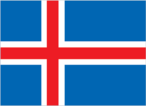
Flag of Iceland

Iceland

Europe · Reykjavik · unitary parliamentary republic

What Iceland means for your money — the prices you pay, the tariffs in motion, and where U.S. policy could change both.
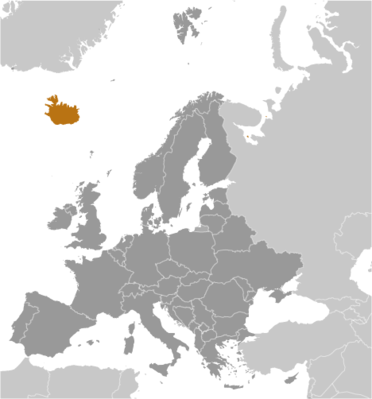
Map showing the location of Iceland

$1.0B

U.S. imports, 2025

-6.1%

change in one year

$774M

U.S. exports, 2025

364K

Population

$33.5B

GDP

In your house

What you buy that Iceland makes

America bought $1.0B in goods from Iceland in 2025. Of every $100 of it, here's where the money went.

Pharmaceutical preparations

medicines and pharmacy items

$319M31.7%

Fish and shellfish

fish, shrimp, shellfish

$310M30.8%

Cell phones and other household goods, n.e.c.

cell phones and home electronics

$190M18.9%

Steelmaking materials

$26M2.6%

Other foods

$23M2.3%

Materials, excluding chemicals

$23M2.3%

Other consumer nondurables

$20M2%

U.s. goods returned, and reimports

$15M1.5%

Medicinal equipment

medical devices and equipment

$13M1.3%

Alcoholic beverages, excluding wine

spirits and liquor

$12M1.2%

2026 so far (through April): $224M in imports. Source: U.S. Census Bureau, International Trade in Goods (customs basis).

The other direction

What America sells to Iceland

$774M in 2025 — a trade rupture cuts both ways, for American producers as well as American prices.

Computers

$357M

laptops, desktops, monitors

Minimum value shipments

$93M

Computer accessories

$83M

keyboards, drives, computer parts

Telecommunications equipment

$48M

phones, routers, networking gear

Passenger cars, new and used

$18M

new and used cars

Civilian aircraft, engines, equipment, and parts

$15M

Medicinal equipment

$12M

medical devices and equipment

Industrial machines, other

$11M

Other foods

$10M

Where you stand

U.S. tariff posture toward Iceland

No U.S. tariff action singles this country out. Its goods face the universal 10% temporary import surcharge under Section 122 of the Trade Act (which replaced the IEEPA reciprocal baseline in February 2026) plus the sectoral Section 232 duties — steel and aluminum at 50% — that apply to all countries. The Section 122 surcharge is statutorily temporary — scheduled to lapse on or about July 23, 2026 (a 150-day cap) unless extended or replaced.

Reciprocal tariff (universal baseline)

10%

The universal 10% floor — a Section 122 import surcharge since February 2026, previously the EO 14257 reciprocal baseline — applies to nearly all U.S. imports. This country has no higher assigned rate of its own.

Policy in motion

Tariff status: a moving target

No U.S. tariff action names Iceland. These are the universal measures — applied to every country without a country-specific arrangement — that set its treatment.

  1. 2026-04-06

    Section 232 metals coverage expanded

    In effect

    The April 2026 proclamation strengthening Section 232 actions on aluminum, steel, and copper expanded derivative-product coverage for all countries, keeping the general metals rate at 50%.

    91 FR 18201
  2. 2026-02-24

    IEEPA reciprocal tariffs terminated — replaced by 10% Section 122 surcharge

    In effect

    Executive Order 14389 (Ending Certain Tariff Actions) terminated the IEEPA tariff duties — including the EO 14257 reciprocal baseline — effective February 24, 2026. A flat 10% Section 122 temporary import surcharge (Proclamation 11012 of February 20, 2026) replaced them, leaving the universal rate unchanged at 10% on a different statutory basis. Section 122 caps such surcharges at 150 days, so this 10% surcharge is scheduled to lapse on or about July 23, 2026 absent further action (the administration has signaled it could raise the rate toward the 15% statutory maximum).

    91 FR 9437
  3. 2025-11-13

    Agricultural products exempted from reciprocal tariffs

    In effect

    Executive Order 14360 of November 14, 2025 removed reciprocal duties from certain agricultural products listed in its annexes (coffee, cocoa, bananas, and other goods the U.S. does not produce in sufficient quantity), retroactive to November 13, 2025 — for all countries subject to the reciprocal tariff.

    90 FR 54091
  4. 2025-06-04

    Section 232 steel and aluminum duties doubled to 50%

    In effect

    The June 3, 2025 proclamation raised Section 232 duties on steel and aluminum articles and derivatives from 25% to 50% for all countries, effective June 4, 2025.

    90 FR 24199
  5. 2025-04-05

    Universal 10% reciprocal baseline takes effect

    In effect

    Executive Order 14257 (signed April 2, 2025) imposed a 10% ad valorem reciprocal duty on imports from all trading partners, effective April 5, 2025. Countries without a higher Annex I rate remain at this baseline.

    Federal Register · 2025-06063
  6. 2025-03-12

    Section 232 steel and aluminum duties set at 25% for all countries

    In effect

    Proclamations of February 10, 2025 terminated all country exemptions and quota arrangements and applied 25% Section 232 duties to steel and aluminum imports from every country, effective March 12, 2025.

    90 FR 9817

Made for America

What Iceland makes for America

Iceland is a direct U.S. source of 5 essential goods Americans rely on — the items themselves, shipped finished off the line.

Reference

The country itself

Europe · Geography, people, economy, and government — public-domain data from the CIA World Factbook.

Settled by Norwegian and Celtic (Scottish and Irish) immigrants during the late 9th and 10th centuries A.D., Iceland boasts the world's oldest functioning legislative assembly, the Althingi, which was established in 930. Independent for over 300 years, Iceland was subsequently ruled by Norway and Denmark. Fallout from the Askja volcano of 1875 devastated the Icelandic economy and caused widespread famine. Over the next quarter-century, 20% of the island's population emigrated, mostly to Canada and the US. Denmark granted limited home rule in 1874 and complete independence in 1944. The second half of the 20th century saw substantial economic growth driven primarily by the fishing industry. The economy diversified greatly after the country joined the European Economic Area in 1994, but the global financial crisis hit Iceland especially hard in the years after 2008. The economy is now on an upward trajectory, primarily thanks to a tourism and construction boom. Literacy, longevity, and social cohesion are first-rate by world standards.
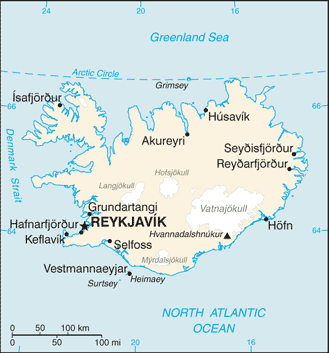
Regional map of Iceland

Geography

Location
Northern Europe, island between the Greenland Sea and the North Atlantic Ocean, northwest of the United Kingdom
Area
103,000 sq km
Climate
temperate; moderated by North Atlantic Current; mild, windy winters; damp, cool summers
Terrain
mostly plateau interspersed with mountain peaks, icefields; coast deeply indented by bays and fiords
Natural resources
fish, hydropower, geothermal power, diatomite
Coastline
4,970 km
Natural hazards
earthquakes and volcanic activity volcanism: Iceland is situated on top of a hotspot and experiences severe volcanic activity; Eyjafjallajokull (1,666 m) erupted in 2010, sending ash high into the atmosphere and seriously disrupting European air traffic; scientists continue to monitor nearby Katla (1,512 m), which has a high probability of eruption; Grimsvoetn and Hekla are Iceland's most active volcanoes; other historically active volcanoes include Askja, Bardarbunga, Brennisteinsfjoll, Esjufjoll, Hengill, Krafla, Krisuvik, Kverkfjoll, Oraefajokull, Reykjanes, Torfajokull, and Vestmannaeyjar

People & society

Population
364,036 (2024 est.)
Nationality
Icelander(s)
Ethnic groups
Icelandic 78.7%, Polish 5.8%, Danish 1%, Ukrainian 1%, other 13.5% (2024 est.)
Languages
Icelandic, English, Polish, Nordic languages, German
Religions
Evangelical Lutheran Church of Iceland (official) 58.6% Roman Catholic 3.8%, Independent Congregation of Reykjavik 2.6%, Independent Congregation of Hafnarfjordur 1.9%, pagan worship 1.5%, Icelandic Ethical Humanist Association 1.4%, other (includes Zuist and Pentecostal) or unspecified 18.7%, none 7.7% (2024 est.)
Median age
38.2 years (2025 est.)
Life expectancy at birth
84 years (2024 est.)

Economy

Economic overview
high-income North Atlantic island economy; not an EU member but market integration via European Economic Area (EEA); dominant tourism, fishing, and aluminum industries vulnerable to demand swings and disruption from volcanic activity; inflation remains above target rate; barriers to foreign business access and economic diversification
Industries
tourism, fish processing; aluminum smelting; geothermal power, hydropower; medical/pharmaceutical products
Agricultural products
milk, chicken, lamb/mutton, barley, potatoes, pork, beef, eggs, other meats, cucumbers/gherkins (2023)
Exports - partners
Netherlands 27%, Germany 11%, USA 10%, UK 8%, Norway 6% (2023)
Imports - partners
Norway 11%, China 9%, Germany 9%, Netherlands 8%, USA 7% (2023)

Government

Government type
unitary parliamentary republic
Capital
Reykjavik
Independence
1 December 1918 (became a sovereign state under the Danish Crown); 17 June 1944 (from Denmark; birthday of Jon SIGURDSSON, leader of Iceland's 19th-century independence movement)
Constitution
several previous; latest ratified 16 June 1944, effective 17 June 1944 (at independence)
Executive branch
President Halla TOMASDOTTIR (since 1 August 2024)
Legislative branch
Parliament (Althingi)

Full reference data

Every field, by section — CIA World Factbook. Open a topic to expand it.

Introduction
Background
Settled by Norwegian and Celtic (Scottish and Irish) immigrants during the late 9th and 10th centuries A.D., Iceland boasts the world's oldest functioning legislative assembly, the Althingi, which was established in 930. Independent for over 300 years, Iceland was subsequently ruled by Norway and Denmark. Fallout from the Askja volcano of 1875 devastated the Icelandic economy and caused widespread famine. Over the next quarter-century, 20% of the island's population emigrated, mostly to Canada and the US. Denmark granted limited home rule in 1874 and complete independence in 1944. The second half of the 20th century saw substantial economic growth driven primarily by the fishing industry. The economy diversified greatly after the country joined the European Economic Area in 1994, but the global financial crisis hit Iceland especially hard in the years after 2008. The economy is now on an upward trajectory, primarily thanks to a tourism and construction boom. Literacy, longevity, and social cohesion are first-rate by world standards.
Travel Facts
US State Dept Travel Advisory
The US Department of State currently recommends US citizens exercise normal precautions in Iceland. Consult its website via the link below for updates to travel advisories and statements on safety, security, local laws, and special circumstances in this country. https://travel.state.gov/content/travel/en/traveladvisories/traveladvisories.html
Passport/Visa Requirements
US citizens should make sure their passport will not expire for at least 6 months after they enter the country even if they do not intend to stay that long. They should also make sure they have at least 2 blank pages in their passport for any entry stamp that will be required. A visa is not required as long as you do not stay in the country more than 89 days.
US Embassy/Consulate
[354] 595-22-00; US Embassy in Reykjavik, Laufásvegur 21, 101 Reykjavík, Iceland; ReykjavikConsular@state.gov; https://is.usembassy.gov/
Telephone Code
354
Local Emergency Phone
112
Vaccinations
See WHO recommendations http://www.who.int/
Climate
Temperate; moderated by North Atlantic Current; mild, windy winters; damp, cool summers
Currency (Code)
Icelandic kronur (ISK)
Electricity/Voltage/Plug Type(s)
230 V / 50 Hz / plug types(s): C, F
Major Languages
Icelandic, English, Nordic languages, German
Major Religions
Evangelical Lutheran Church of Iceland (official) 62.3%, Roman Catholic 4%, Reykjavik Free Church 2.7%, Hafnarfjordur Free Church 2%, pagan worship 1.4%, Icelandic Ethical Humanist 1.1%
Time Difference
UTC 0 (5 hours ahead of Washington, DC, during Standard Time)
Potable Water
Yes
International Driving Permit
Suggested
Road Driving Side
Right
Tourist Destinations
Blue Lagoon in Grindavík; Geysers in Strokkur; Thingvellir National Park; Reykjavik; whale watching from Reykjavik; Gullfoss Waterfall; Northern Lights; Landmannalaugar Nature Reserve; Maelifell Volcano; Myrdalsjökull Glacier
Major Sports
Handball, soccer, track and field, golf, basketball, tennis
Cultural Practices
Littering is uncommon in Iceland, and visitors are expected to do their part to maintain the pristine natural environment.
Tipping Guidelines
Tipping is not expected at hotels and restaurants since most bills include a service charge for gratuities. Round up taxi fares.
Souvenirs
Hand-knit wool items including blankets, sweaters, hats, coats, and mittens; pottery, local spirits, Viking themed items and dolls in traditional costumes; carved fish skin, lava rock, and driftwood items; felt stuffed animal toys
Traditional Cuisine
Lamb; Hákarl — cured (fermented) shark meat
CIA source last updated
Wednesday, November 09, 2022
Travel resources

Please visit the following links to find further information about your desired destination.

World Health Organization (WHO) - To learn what vaccines and health precautions to take while visiting your destination.

US State Dept Travel Information - Overall information about foreign travel for US citizens.

To obtain an international driving permit (IDP). Only two organizations in the US issue IDPs: American Automobile Association (AAA) and American Automobile Touring Alliance (AATA)

How to get help in an emergency? Contact the nearest US embassy or consulate, or call one of these numbers: from the US or Canada - 1-888-407-4747 or from Overseas - +1 202-501-4444

Page last updated: Wednesday, November 09, 2022

Geography
Location
Northern Europe, island between the Greenland Sea and the North Atlantic Ocean, northwest of the United Kingdom
Geographic coordinates
65 00 N, 18 00 W
Map references
Arctic Region
Area - total
103,000 sq km
Area - land
100,250 sq km
Area - water
2,750 sq km
Area - comparative
slightly smaller than Pennsylvania; about the same size as Kentucky
Land boundaries - total
0 km
Coastline
4,970 km
Maritime claims - territorial sea
12 nm
Maritime claims - exclusive economic zone
200 nm
Maritime claims - continental shelf
200 nm or to the edge of the continental margin
Climate
temperate; moderated by North Atlantic Current; mild, windy winters; damp, cool summers
Terrain
mostly plateau interspersed with mountain peaks, icefields; coast deeply indented by bays and fiords
Elevation - highest point
Hvannadalshnukur (at Vatnajokull Glacier) 2,110 m
Elevation - lowest point
Atlantic Ocean 0 m
Elevation - mean elevation
557 m
Natural resources
fish, hydropower, geothermal power, diatomite
Land use - agricultural land
16.2% (2023 est.)
Land use - agricultural land: arable land
arable land: 1.2% (2023 est.)
Land use - agricultural land: permanent crops
permanent crops: 0% (2022 est.)
Land use - agricultural land: permanent pasture
permanent pasture: 15% (2023 est.)
Land use - forest
0.6% (2023 est.)
Land use - other
82.6% (2023 est.)
Irrigated land
0.5 sq km (2022)
Population distribution
Iceland is almost entirely urban, with half of the population located in and around the capital of Reykjavik; smaller clusters are primarily found along the coast in the north and west
Natural hazards
earthquakes and volcanic activity volcanism: Iceland is situated on top of a hotspot and experiences severe volcanic activity; Eyjafjallajokull (1,666 m) erupted in 2010, sending ash high into the atmosphere and seriously disrupting European air traffic; scientists continue to monitor nearby Katla (1,512 m), which has a high probability of eruption; Grimsvoetn and Hekla are Iceland's most active volcanoes; other historically active volcanoes include Askja, Bardarbunga, Brennisteinsfjoll, Esjufjoll, Hengill, Krafla, Krisuvik, Kverkfjoll, Oraefajokull, Reykjanes, Torfajokull, and Vestmannaeyjar
Geography - note
strategic location between Greenland and Europe; westernmost European country; Reykjavik is the northernmost national capital in the world; more land covered by glaciers than in all of continental Europe
People and Society
Population - total
364,036 (2024 est.)
Population - male
182,268
Population - female
181,768
Nationality - noun
Icelander(s)
Nationality - adjective
Icelandic
Ethnic groups
Icelandic 78.7%, Polish 5.8%, Danish 1%, Ukrainian 1%, other 13.5% (2024 est.)
Ethnic groups - note
note : data represent population by country of birth
Languages
Icelandic, English, Polish, Nordic languages, German
Religions
Evangelical Lutheran Church of Iceland (official) 58.6% Roman Catholic 3.8%, Independent Congregation of Reykjavik 2.6%, Independent Congregation of Hafnarfjordur 1.9%, pagan worship 1.5%, Icelandic Ethical Humanist Association 1.4%, other (includes Zuist and Pentecostal) or unspecified 18.7%, none 7.7% (2024 est.)
Age structure - 0-14 years
19.8% (male 36,692/female 35,239)
Age structure - 15-64 years
63.2% (male 116,210/female 113,810)
Age structure - 65 years and over
17.1% (2024 est.) (male 29,366/female 32,719)
Dependency ratios - total dependency ratio
58.3 (2024 est.)
Dependency ratios - youth dependency ratio
31.3 (2024 est.)
Dependency ratios - elderly dependency ratio
27 (2024 est.)
Dependency ratios - potential support ratio
3.7 (2024 est.)
Median age - total
38.2 years (2025 est.)
Median age - male
37.4 years
Median age - female
38.6 years
Population growth rate
0.82% (2025 est.)
Birth rate
12.47 births/1,000 population (2025 est.)
Death rate
6.62 deaths/1,000 population (2025 est.)
Net migration rate
2.3 migrant(s)/1,000 population (2025 est.)
Population distribution
Iceland is almost entirely urban, with half of the population located in and around the capital of Reykjavik; smaller clusters are primarily found along the coast in the north and west
Urbanization - urban population
94% of total population (2023)
Urbanization - rate of urbanization
0.74% annual rate of change (2020-25 est.)
Major urban areas - population
216,000 REYKJAVIK (capital) (2018)
Sex ratio - at birth
1.05 male(s)/female
Sex ratio - 0-14 years
1.04 male(s)/female
Sex ratio - 15-64 years
1.02 male(s)/female
Sex ratio - 65 years and over
0.9 male(s)/female
Sex ratio - total population
1 male(s)/female (2024 est.)
Mother's mean age at first birth
28.7 years (2020 est.)
Maternal mortality ratio
3 deaths/100,000 live births (2023 est.)
Infant mortality rate - total
1.6 deaths/1,000 live births (2025 est.)
Infant mortality rate - male
1.8 deaths/1,000 live births
Infant mortality rate - female
1.4 deaths/1,000 live births
Life expectancy at birth - total population
84 years (2024 est.)
Life expectancy at birth - male
81.8 years
Life expectancy at birth - female
86.3 years
Total fertility rate
1.93 children born/woman (2025 est.)
Gross reproduction rate
0.94 (2025 est.)
Drinking water source - improved: urban
urban: 100% of population (2022 est.)
Drinking water source - improved: rural
rural: 100% of population (2022 est.)
Drinking water source - improved: total
total: 100% of population (2022 est.)
Drinking water source - unimproved: urban
urban: 0% of population (2022 est.)
Drinking water source - unimproved: rural
rural: 0% of population (2022 est.)
Drinking water source - unimproved: total
total: 0% of population (2022 est.)
Health expenditure - Health expenditure (as % of GDP)
8.6% of GDP (2022)
Health expenditure - Health expenditure (as % of national budget)
16.5% of national budget (2022 est.)
Physician density
4.37 physicians/1,000 population (2023)
Hospital bed density
2.8 beds/1,000 population (2020 est.)
Sanitation facility access - improved: urban
urban: 100% of population (2022 est.)
Sanitation facility access - improved: rural
rural: 100% of population (2022 est.)
Sanitation facility access - improved: total
total: 100% of population (2022 est.)
Sanitation facility access - unimproved: urban
urban: 0% of population (2022 est.)
Sanitation facility access - unimproved: rural
rural: 0% of population (2022 est.)
Sanitation facility access - unimproved: total
total: 0% of population (2022 est.)
Obesity - adult prevalence rate
21.9% (2016)
Alcohol consumption per capita - total
7.72 liters of pure alcohol (2019 est.)
Alcohol consumption per capita - beer
4.39 liters of pure alcohol (2019 est.)
Alcohol consumption per capita - wine
2.11 liters of pure alcohol (2019 est.)
Alcohol consumption per capita - spirits
1.22 liters of pure alcohol (2019 est.)
Alcohol consumption per capita - other alcohols
0 liters of pure alcohol (2019 est.)
Tobacco use - total
8% (2025 est.)
Tobacco use - male
7.9% (2025 est.)
Tobacco use - female
8% (2025 est.)
Currently married women (ages 15-49)
48.5% (2023 est.)
Education expenditure - Education expenditure (% GDP)
7.3% of GDP (2022 est.)
Education expenditure - Education expenditure (% national budget)
15.7% national budget (2022 est.)
School life expectancy (primary to tertiary education) - total
19 years (2022 est.)
School life expectancy (primary to tertiary education) - male
18 years (2022 est.)
School life expectancy (primary to tertiary education) - female
20 years (2022 est.)
Government
Country name - conventional long form
none
Country name - conventional short form
Iceland
Country name - local long form
none
Country name - local short form
Island
Country name - etymology
Floki VILGERDARSON, an early Norse explorer of the island in the 10th century, applied the name "Land of Ice," from the local words ís (ice) and land (land)
Government type
unitary parliamentary republic
Capital - name
Reykjavik
Capital - geographic coordinates
64 09 N, 21 57 W
Capital - time difference
UTC 0 (5 hours ahead of Washington, DC, during Standard Time)
Capital - etymology
the name means "smoky bay" in Icelandic and refers to the steam from the hot springs in the area
Administrative divisions
64 municipalities ( sveitarfelog , singular - sveitarfelagidh ); Akranes, Akureyri, Arneshreppur, Asahreppur, Blaskogabyggdh, Bolungarvik, Borgarbyggdh, Dalabyggdh, Dalvikurbyggdh, Eyjafjardharsveit, Eyja-og Miklaholtshreppur, Fjallabyggdh, Fjardhabyggdh, Fljotsdalshreppur, Floahreppur, Gardhabaer, Grimsnes-og Grafningshreppur, Grindavikurbaer, Grundarfjardharbaer, Grytubakkahreppur, Hafnarfjordhur, Horgarsveit, Hrunamannahreppur, Hunathing Vestra, Hunabyggdh, Hvalfjardharsveit, Hveragerdhi, Isafjardharbaer, Kaldrananeshreppur, Kjosarhreppur, Kopavogur, Langanesbyggdh, Mosfellsbaer, Mulathing, Myrdalshreppur, Nordhurthing, Rangarthing Eystra, Rangarthing Ytra, Reykholahreppur, Reykjanesbaer, Reykjavik, Seltjarnarnes, Skaftarhreppur, Skagabyggdh, Skagafjordhur, Skeidha-og Gnupverjahreppur, Skorradalshreppur, Snaefellsbaer, Strandabyggdh, Stykkisholmur, Sudhavikurhreppur, Sudhurnesjabaer, Svalbardhsstrandarhreppur, Sveitarfelagidh Arborg, Sveitarfelagidh Hornafjordhur, Sveitarfelagidh Olfus, Sveitarfelagidh Skagastrond, Sveitarfelagidh Vogar, Talknafjardharhreppur, Thingeyjarsveit, Tjorneshreppur, Vestmannaeyjar, Vesturbyggdh, Vopnafjardharhreppur
Legal system
civil law system influenced by the Danish model
Constitution - history
several previous; latest ratified 16 June 1944, effective 17 June 1944 (at independence)
Constitution - amendment process
proposed by the Althingi; passage requires approval by the Althingi and by the next elected Althingi, and confirmation by the president of the republic; proposed amendments to Article 62 of the constitution – that the Evangelical Lutheran Church shall be the state church of Iceland – also require passage by referendum
International law organization participation
has not submitted an ICJ jurisdiction declaration; accepts ICCt jurisdiction
Citizenship - citizenship by birth
no
Citizenship - citizenship by descent only
at least one parent must be a citizen of Iceland
Citizenship - dual citizenship recognized
yes
Citizenship - residency requirement for naturalization
3 to 7 years
Suffrage
18 years of age; universal
Executive branch - chief of state
President Halla TOMASDOTTIR (since 1 August 2024)
Executive branch - head of government
Prime Minister Kristrun FROSTADOTTIR (since 21 December 2024)
Executive branch - cabinet
Cabinet appointed by the president upon the recommendation of the prime minister
Executive branch - election/appointment process
president directly elected by simple-majority popular vote for a 4-year term (no term limits); following legislative elections, the leader of the majority party or majority coalition becomes prime minister
Executive branch - most recent election date
1 June 2024
Executive branch - election results
2024: Halla TOMASDOTTIR elected president; percent of vote - Halla TOMASDOTTIR (independent) 34.1%, Katrin JAKOBSDOTTIR (Left-Green Movement) 25.2%, Halla Hrund LOGADOTTIR (independent) 15.7%, Jon GNARR (Social Democratic Alliance) 10.1%, Baldur PORHALLSSON (independent) 8.4%, other 6.5% 2020: Gudni Thorlacius JOHANNESSON reelected president; percent of vote - Gudni Thorlacius JOHANNESSON (independent) 92.2%, Gudmundur Franklin JONSSON (independent) 7.8%
Executive branch - expected date of next election
June 2028
Legislative branch - legislature name
Parliament (Althingi)
Legislative branch - legislative structure
unicameral
Legislative branch - number of seats
63 (all directly elected)
Legislative branch - electoral system
proportional representation
Legislative branch - scope of elections
full renewal
Legislative branch - term in office
4 years
Legislative branch - most recent election date
11/30/2024
Legislative branch - parties elected and seats per party
Social Democratic Alliance (SDA) (15); Independence Party (IP) (14); Liberal Reform Party (11); People’s Party (10); Center Party (8); Progressive Party (PP) (5)
Legislative branch - percentage of women in chamber
46%
Legislative branch - expected date of next election
November 2028
Judicial branch - highest court(s)
Supreme Court or Haestirettur (consists of 7 judges)
Judicial branch - judge selection and term of office
judges proposed by Ministry of Interior selection committee and appointed by the president for an indefinite period
Judicial branch - subordinate courts
Appellate Court or Landsrettur; 8 district courts; Labor Court
Political parties
Center Party or M Independence Party or D Liberal Reform Party or C People's Party or F Progressive Party or B Social Democratic Alliance or S
Diplomatic representation in the US - chief of mission
Ambassador Svanhildur Hólm VALSDóTTIR (since 18 September 2024)
Diplomatic representation in the US - chancery
House of Sweden, 2900 K Street NW, #509, Washington, DC 20007
Diplomatic representation in the US - telephone
[1] (202) 265-6653
Diplomatic representation in the US - FAX
[1] (202) 265-6656
Diplomatic representation from the US - chief of mission
Ambassador (vacant); Chargé d’Affaires Erin SAWYER (since January 2025)
Diplomatic representation from the US - embassy
Engjateigur 7, 105 Reykjavik
Diplomatic representation from the US - mailing address
5640 Reykjavik Place, Washington, D.C. 20521-5640
Diplomatic representation from the US - telephone
[354] 595-2200
Diplomatic representation from the US - FAX
[354] 562-9118
Diplomatic representation from the US - email address and website
International organization participation
Arctic Council, Australia Group, BIS, CBSS, CD, CE, EAPC, EBRD, EFTA, FAO, FATF, IAEA, IBRD, ICAO, ICC (national committees), ICCt, ICRM, IDA, IFAD, IFC, IFRCS, IHO, ILO, IMF, IMO, IMSO, Interpol, IOC, IOM, IPU, ISO, ITSO, ITU, ITUC (NGOs), MIGA, NATO, NC, NEA, NIB, NSG, OAS (observer), OECD, OPCW, OSCE, PCA, Schengen Convention, UN, UNCTAD, UNESCO, UPU, WCO, WHO, WIPO, WMO, WTO
Independence
1 December 1918 (became a sovereign state under the Danish Crown); 17 June 1944 (from Denmark; birthday of Jon SIGURDSSON, leader of Iceland's 19th-century independence movement)
National holiday
Independence Day, 17 June (1944)
Flag
description: blue with a red cross outlined in white extending to the edges of the flag; the cross is shifted to the left in the style of the Dannebrog (Danish flag) meaning: red stands for the island's volcanic fires, white for the snow and ice fields, and blue for the ocean
National symbol(s)
gyrfalcon
National color(s)
blue, white, red
National coat of arms
Iceland’s coat of arms is derived from a 13th-century folktale about four guardians who protect the four corners of the nation; the bull protects the northwest, the eagle the northeast, the dragon the southeast, and the rock-giant the southwest; the shield displays the national flag, with red standing for Iceland’s volcanic fires, white for its snow and ice fields, and blue for the ocean
National anthem(s) - title
"Lofsongur" (Song of Praise)
National anthem(s) - lyrics/music
Matthias JOCHUMSSON/Sveinbjorn SVEINBJORNSSON
National anthem(s) - history
adopted 1918
National heritage - total World Heritage Sites
3 (1 cultural, 2 natural)
National heritage - selected World Heritage Site locales
Thingvellir National Park (c); Surtsey (n); Vatnajökull National Park - Dynamic Nature of Fire and Ice (n)
Economy
Economic overview
high-income North Atlantic island economy; not an EU member but market integration via European Economic Area (EEA); dominant tourism, fishing, and aluminum industries vulnerable to demand swings and disruption from volcanic activity; inflation remains above target rate; barriers to foreign business access and economic diversification
Real GDP (purchasing power parity) - Real GDP (purchasing power parity) 2024
$26.561 billion (2024 est.)
Real GDP (purchasing power parity) - Real GDP (purchasing power parity) 2023
$26.424 billion (2023 est.)
Real GDP (purchasing power parity) - Real GDP (purchasing power parity) 2022
$25.012 billion (2022 est.)
Real GDP (purchasing power parity) - note
note: data in 2021 dollars
Real GDP growth rate - Real GDP growth rate 2024
0.5% (2024 est.)
Real GDP growth rate - Real GDP growth rate 2023
5.6% (2023 est.)
Real GDP growth rate - Real GDP growth rate 2022
9% (2022 est.)
Real GDP growth rate - note
note: annual GDP % growth based on constant local currency
Real GDP per capita - Real GDP per capita 2024
$65,600 (2024 est.)
Real GDP per capita - Real GDP per capita 2023
$67,200 (2023 est.)
Real GDP per capita - Real GDP per capita 2022
$65,500 (2022 est.)
Real GDP per capita - note
note: data in 2021 dollars
GDP (official exchange rate)
$33.463 billion (2024 est.)
GDP (official exchange rate) - note
note: data in current dollars at official exchange rate
Inflation rate (consumer prices) - Inflation rate (consumer prices) 2024
5.9% (2024 est.)
Inflation rate (consumer prices) - Inflation rate (consumer prices) 2023
8.7% (2023 est.)
Inflation rate (consumer prices) - Inflation rate (consumer prices) 2022
8.3% (2022 est.)
Inflation rate (consumer prices) - note
note: annual % change based on consumer prices
GDP - composition, by sector of origin - agriculture
4% (2024 est.)
GDP - composition, by sector of origin - industry
19.4% (2024 est.)
GDP - composition, by sector of origin - services
65.5% (2024 est.)
GDP - composition, by sector of origin - note
note: figures may not total 100% due to non-allocated consumption not captured in sector-reported data
GDP - composition, by end use - household consumption
49.3% (2023 est.)
GDP - composition, by end use - government consumption
25.3% (2023 est.)
GDP - composition, by end use - investment in fixed capital
24.8% (2023 est.)
GDP - composition, by end use - investment in inventories
0.7% (2023 est.)
GDP - composition, by end use - exports of goods and services
43.4% (2023 est.)
GDP - composition, by end use - imports of goods and services
-43.3% (2023 est.)
GDP - composition, by end use - note
note: figures may not total 100% due to rounding or gaps in data collection
Agricultural products
milk, chicken, lamb/mutton, barley, potatoes, pork, beef, eggs, other meats, cucumbers/gherkins (2023)
Agricultural products - note
note: top ten agricultural products based on tonnage
Industries
tourism, fish processing; aluminum smelting; geothermal power, hydropower; medical/pharmaceutical products
Industrial production growth rate
-2.3% (2024 est.)
Industrial production growth rate - note
note: annual % change in industrial value added based on constant local currency
Labor force
248,400 (2024 est.)
Labor force - note
note: number of people ages 15 or older who are employed or seeking work
Unemployment rate - Unemployment rate 2024
3.2% (2024 est.)
Unemployment rate - Unemployment rate 2023
3.6% (2023 est.)
Unemployment rate - Unemployment rate 2022
3.8% (2022 est.)
Unemployment rate - note
note: % of labor force seeking employment
Youth unemployment rate (ages 15-24) - total
7.6% (2024 est.)
Youth unemployment rate (ages 15-24) - male
8.3% (2024 est.)
Youth unemployment rate (ages 15-24) - female
7% (2024 est.)
Youth unemployment rate (ages 15-24) - note
note: % of labor force ages 15-24 seeking employment
Population below poverty line
8.8% (2017 est.)
Population below poverty line - note
note: % of population with income below national poverty line
Gini Index coefficient - distribution of family income - Gini Index coefficient - distribution of family income 2018
26.6 (2018 est.)
Gini Index coefficient - distribution of family income - note
note: index (0-100) of income distribution; higher values represent greater inequality
Household income or consumption by percentage share - lowest 10%
3.7% (2018 est.)
Household income or consumption by percentage share - highest 10%
21.7% (2018 est.)
Household income or consumption by percentage share - note
note: % share of income accruing to lowest and highest 10% of population
Remittances - Remittances 2024
0.7% of GDP (2024 est.)
Remittances - Remittances 2023
0.7% of GDP (2023 est.)
Remittances - Remittances 2022
0.7% of GDP (2022 est.)
Remittances - note
note: personal transfers and compensation between resident and non-resident individuals/households/entities
Budget - revenues
$10.023 billion (2023 est.)
Budget - expenditures
$10.364 billion (2023 est.)
Budget - note
note: central government revenues (excluding grants) and expenditures converted to US dollars at average official exchange rate for year indicated
Public debt - Public debt 2023
80.7% of GDP (2023 est.)
Public debt - note
note: central government debt as a % of GDP
Taxes and other revenues
23.3% (of GDP) (2023 est.)
Taxes and other revenues - note
note: central government tax revenue as a % of GDP
Current account balance - Current account balance 2024
-$845.319 million (2024 est.)
Current account balance - Current account balance 2023
$290.603 million (2023 est.)
Current account balance - Current account balance 2022
-$698.165 million (2022 est.)
Current account balance - note
note: balance of payments - net trade and primary/secondary income in current dollars
Exports - Exports 2024
$13.916 billion (2024 est.)
Exports - Exports 2023
$13.702 billion (2023 est.)
Exports - Exports 2022
$13.114 billion (2022 est.)
Exports - note
note: balance of payments - exports of goods and services in current dollars
Exports - partners
Netherlands 27%, Germany 11%, USA 10%, UK 8%, Norway 6% (2023)
Exports - partners - note
note: top five export partners based on percentage share of exports
Exports - commodities
aluminum, fish, orthopedic appliances, animal meal, iron alloys (2023)
Exports - commodities - note
note: top five export commodities based on value in dollars
Imports - Imports 2024
$14.298 billion (2024 est.)
Imports - Imports 2023
$13.63 billion (2023 est.)
Imports - Imports 2022
$13.237 billion (2022 est.)
Imports - note
note: balance of payments - imports of goods and services in current dollars
Imports - partners
Norway 11%, China 9%, Germany 9%, Netherlands 8%, USA 7% (2023)
Imports - partners - note
note: top five import partners based on percentage share of imports
Imports - commodities
refined petroleum, cars, carbon-based electronics, aluminum oxide, computers (2023)
Imports - commodities - note
note: top five import commodities based on value in dollars
Reserves of foreign exchange and gold - Reserves of foreign exchange and gold 2024
$6.403 billion (2024 est.)
Reserves of foreign exchange and gold - Reserves of foreign exchange and gold 2023
$5.809 billion (2023 est.)
Reserves of foreign exchange and gold - Reserves of foreign exchange and gold 2022
$5.887 billion (2022 est.)
Reserves of foreign exchange and gold - note
note: holdings of gold (year-end prices)/foreign exchange/special drawing rights in current dollars
Exchange rates - Currency
Icelandic kronur (ISK) per US dollar -
Exchange rates - Exchange rates 2024
137.958 (2024 est.)
Exchange rates - Exchange rates 2023
137.943 (2023 est.)
Exchange rates - Exchange rates 2022
135.28 (2022 est.)
Exchange rates - Exchange rates 2021
126.989 (2021 est.)
Exchange rates - Exchange rates 2020
135.422 (2020 est.)
Energy
Electricity access - electrification - total population
100% (2022 est.)
Electricity - installed generating capacity
3.005 million kW (2023 est.)
Electricity - consumption
19.584 billion kWh (2023 est.)
Electricity - transmission/distribution losses
543 million kWh (2023 est.)
Electricity generation sources - hydroelectricity
70.1% of total installed capacity (2023 est.)
Electricity generation sources - geothermal
29.9% of total installed capacity (2023 est.)
Coal - consumption
137,000 metric tons (2023 est.)
Coal - exports
81 metric tons (2023 est.)
Coal - imports
106,000 metric tons (2023 est.)
Petroleum - refined petroleum consumption
19,000 bbl/day (2024 est.)
Communications
Telephones - fixed lines - total subscriptions
82,000 (2023 est.)
Telephones - fixed lines - subscriptions per 100 inhabitants
21 (2023 est.)
Telephones - mobile cellular - total subscriptions
478,000 (2023 est.)
Telephones - mobile cellular - subscriptions per 100 inhabitants
123 (2022 est.)
Broadcast media
state-owned public TV broadcaster (RUV) operates 21 TV channels nationally; every household is required to have RUV, which doubles as the emergency broadcast network; 3 privately owned TV stations; 100% of households have multi-channel services though digital and/or fiber-optic connections; RUV operates 3 national and 4 regional radio stations; 1 privately owned radio conglomerate, Syn (4 stations), broadcasts nationwide; over 20 regional radio stations (2019)
Internet country code
.is
Internet users - percent of population
100% (2023 est.)
Broadband - fixed subscriptions - total
145,000 (2023 est.)
Broadband - fixed subscriptions - subscriptions per 100 inhabitants
37 (2023 est.)
Transportation
Civil aircraft registration country code prefix
TF
Airports
82 (2025)
Heliports
1 (2025)
Merchant marine - total
39 (2023)
Merchant marine - by type
general cargo 5, oil tanker 2, other 32
Ports - total ports
43 (2024)
Ports - large
0
Ports - medium
2
Ports - small
2
Ports - very small
17
Ports - size unknown
22
Ports - ports with oil terminals
5
Ports - key ports
Grundartangi, Reykjavik, Seydhisfjordhur, Vestmannaeyjar
Military and Security
Military and security forces
no regular military forces; the Icelandic National Police, the regional police forces, and the Icelandic Coast Guard fall under the purview of the Ministry of Justice (2025)
Military and security forces - note
note: the Icelandic Coast Guard is responsible for operational defense tasks in Iceland including but not limited to operation of Keflavik Air Base, special security zones, and the Icelandic air defense system; it also coordinates with NATO in such areas as air surveillance and military defense exercises
Military - note
Iceland was one of the original 12 countries to sign the North Atlantic Treaty (also known as the Washington Treaty) in 1949; Iceland is the only NATO member that has no standing military force; defense of Iceland is a NATO commitment, and NATO maintains an air policing presence in Icelandic airspace; Iceland participates in international peacekeeping missions with the civilian-manned Icelandic Crisis Response Unit (ICRU) Iceland also cooperates with the militaries of other regional countries through the Nordic Defense Cooperation (Denmark, Finland, Iceland, Norway, and Sweden) and the Joint Expeditionary Force (Denmark, Estonia, Finland, Iceland, Latvia, Lithuania, the Netherlands, Norway, Sweden and the UK); in 1951, Iceland and the US concluded an agreement to make arrangements regarding the defense of Iceland and for the use of facilities in Iceland to that end (2025)
Transnational Issues
Refugees and internally displaced persons - refugees
8,960 (2024 est.)
Refugees and internally displaced persons - IDPs
3,700 (2024 est.)
Refugees and internally displaced persons - stateless persons
31 (2024 est.)
Environment
Environmental issues
water pollution from fertilizer runoff
International environmental agreements - party to
Air Pollution, Air Pollution-Persistent Organic Pollutants, Antarctic Treaty, Biodiversity, Climate Change, Climate Change-Kyoto Protocol, Climate Change-Paris Agreement, Comprehensive Nuclear Test Ban, Desertification, Endangered Species, Hazardous Wastes, Law of the Sea, Marine Dumping-London Convention, Marine Dumping-London Protocol, Nuclear Test Ban, Ozone Layer Protection, Ship Pollution, Wetlands, Whaling
International environmental agreements - signed, but not ratified
Air Pollution-Heavy Metals, Environmental Modification, Marine Life Conservation
Climate
temperate; moderated by North Atlantic Current; mild, windy winters; damp, cool summers
Land use - agricultural land
16.2% (2023 est.)
Land use - agricultural land: arable land
arable land: 1.2% (2023 est.)
Land use - agricultural land: permanent crops
permanent crops: 0% (2022 est.)
Land use - agricultural land: permanent pasture
permanent pasture: 15% (2023 est.)
Land use - forest
0.6% (2023 est.)
Land use - other
82.6% (2023 est.)
Urbanization - urban population
94% of total population (2023)
Urbanization - rate of urbanization
0.74% annual rate of change (2020-25 est.)
Carbon dioxide emissions - total emissions
3.101 million metric tonnes of CO2 (2023 est.)
Carbon dioxide emissions - from coal and metallurgical coke
376,000 metric tonnes of CO2 (2023 est.)
Carbon dioxide emissions - from petroleum and other liquids
2.725 million metric tonnes of CO2 (2023 est.)
Particulate matter emissions
5.8 micrograms per cubic meter (2019 est.)
Waste and recycling - municipal solid waste generated annually
225,300 tons (2024 est.)
Waste and recycling - percent of municipal solid waste recycled
55.5% (2022 est.)
Total water withdrawal - municipal
80 million cubic meters (2022 est.)
Total water withdrawal - industrial
198 million cubic meters (2022 est.)
Total water withdrawal - agricultural
300,000 cubic meters (2022 est.)
Total renewable water resources
170 billion cubic meters (2022 est.)
Geoparks - total global geoparks and regional networks
2
Geoparks - global geoparks and regional networks
Katla; Reykjanes (2023)