Country exposure · NL

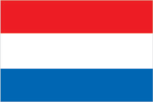
Flag of Netherlands

Netherlands

Europe · Amsterdam · parliamentary constitutional monarchy; part of the Kingdom of the Netherlands

What Netherlands means for your money — the prices you pay, the tariffs in motion, and where U.S. policy could change both.
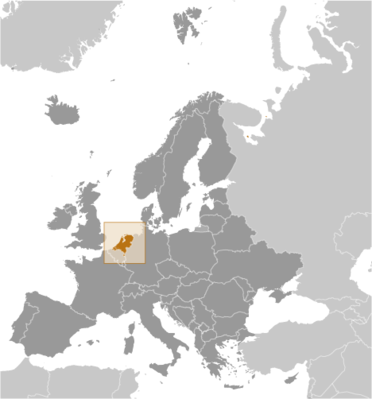
Map showing the location of Netherlands

$34.9B

U.S. imports, 2025

+2.8%

change in one year

$93.9B

U.S. exports, 2025

18M

Population

$1.2T

GDP

In your house

What you buy that Netherlands makes

America bought $34.9B in goods from Netherlands in 2025. Of every $100 of it, here's where the money went.

Pharmaceutical preparations

medicines and pharmacy items

$9.5B27.3%

Petroleum products, other

gasoline and petroleum products

$3.7B10.6%

Industrial machines, other

$3.2B9%

U.s. goods returned, and reimports

$2.7B7.7%

Chemicals-organic

$1.2B3.5%

Nuclear fuel materials

$770M2.2%

Medicinal equipment

medical devices and equipment

$741M2.1%

Bakery products

$713M2%

Materials handling equipment

$603M1.7%

Iron and steel mill products

steel for cars and construction

$599M1.7%

2026 so far (through April): $7.9B in imports. Source: U.S. Census Bureau, International Trade in Goods (customs basis).

The other direction

What America sells to Netherlands

$93.9B in 2025 — a trade rupture cuts both ways, for American producers as well as American prices.

Crude oil

$21.5B

Pharmaceutical preparations

$9.7B

medicines and pharmacy items

Medicinal equipment

$6.7B

medical devices and equipment

Gas-natural

$5.1B

Computers

$4.2B

laptops, desktops, monitors

Fuel oil

$3.6B

Cell phones and other household goods, n.e.c.

$3.6B

cell phones and home electronics

Telecommunications equipment

$3.0B

phones, routers, networking gear

Chemicals-organic

$2.6B

Where you stand

U.S. tariff posture toward Netherlands

Since February 24, 2026 most EU goods face the universal 10% Section 122 temporary import surcharge, which replaced the framework's 15% all-inclusive IEEPA structure when EO 14389 terminated the reciprocal tariffs. The framework's Section 232 terms persist: EU autos at 15%, and the April 2026 metals expansion expressly preserved the EU's trade-agreement-partner treatment (steel and aluminum otherwise at 50%).

The United States negotiates tariffs with the European Union as a single market — every measure here applies to Netherlands as an EU member.

Reciprocal tariff (assigned — terminated)

20%

The rate this country was assigned under the EO 14257 reciprocal Annex — no longer in force. The Supreme Court struck down the IEEPA tariffs and they were terminated February 24, 2026 (EO 14389), replaced by a universal ~10% Section 122 surcharge. See the timeline below for the current effective rate.

Section 232 sectors

Autos, Wood

Steel, aluminum, autos, and similar national-security tariffs that name this country.

Policy in motion

Tariff status: a moving target

U.S. tariff policy toward the European Union — and with it Netherlands — has changed 11 times since 2025. This page tracks it.

  1. 2026-04-06

    EU treatment preserved in expanded metals tariffs

    In effect

    The April 2026 proclamation expanding Section 232 coverage of aluminum, steel, and copper derivatives expressly does not alter or supersede the prior U.S.–EU agreement implementation, and lists the EU among 'Trade Agreement Partners' eligible for its exclusion process.

    91 FR 18201
  2. 2026-02-24

    IEEPA reciprocal tariffs terminated — replaced by 10% Section 122

    In effect

    Executive Order 14389 (Ending Certain Tariff Actions) terminated the IEEPA tariff duties — including those under EO 14257, the basis of the EU's 15% all-inclusive structure — effective February 24, 2026. A flat 10% Section 122 temporary import surcharge (Proclamation 11012 of February 20, 2026) replaced them. The framework's Section 232 terms (the 15% EU autos cap, metals carve-outs) rest on separate authority and were expressly unaffected.

    91 FR 9437
  3. 2025-09-25

    Framework implemented: preferential treatment for certain EU goods

    In effect

    Acting under the September 8, 2025 procedures order, Commerce and USTR modified the HTSUS to implement the framework — preferential (zero) reciprocal treatment for certain EU goods and a reduction of the Section 232 automobile and parts duty to 15% for EU-origin vehicles.

    90 FR 46136
  4. 2025-08-21

    U.S.–EU Framework Agreement joint statement

    Agreement

    The United States and the European Union issued the Joint Statement on a Framework on an Agreement on Reciprocal, Fair, and Balanced Trade: the U.S. committed to the 15% all-inclusive ceiling, zero reciprocal duty on certain products, and a cut of the Section 232 automobile duty to 15%; the EU committed to eliminate tariffs on U.S. industrial goods and expand agricultural access, plus $750B in U.S. energy procurement through 2028.

    Source
  5. 2025-08-07

    15% all-inclusive structure replaces the 20% rate

    In effect

    The July 31, 2025 order ('Further Modifying the Reciprocal Tariff Rates') gave the EU a unique structure effective August 7, 2025: for goods with an MFN (Column 1) rate below 15%, the reciprocal duty tops the total up to exactly 15%; goods with an MFN rate of 15% or higher pay no additional reciprocal duty.

    Federal Register · 2025-15010
  6. 2025-07-09

    Reciprocal-rate pause extended to August 1

    In effect

    The July 7, 2025 order extended the suspension of country-specific reciprocal rates through August 1, 2025, keeping the EU at the 10% baseline while framework talks continued.

    90 FR 30823
  7. 2025-06-04

    Section 232 steel and aluminum duties doubled to 50%

    In effect

    The June 3, 2025 proclamation raised Section 232 duties on steel and aluminum articles and derivatives from 25% to 50% effective June 4, 2025, with no EU carve-out.

    90 FR 24199
  8. 2025-04-10

    90-day pause suspends the 20% rate back to 10%

    In effect

    The April 9, 2025 modification order suspended country-specific reciprocal rates for 90 days for all partners except China, returning the EU to the 10% universal baseline effective April 10, 2025 while negotiations proceeded.

    90 FR 15625
  9. 2025-04-09

    EU country-specific reciprocal rate of 20% takes effect

    In effect

    Annex I of Executive Order 14257 assigned the European Union a 20% country-specific reciprocal rate, effective April 9, 2025 — the rate still carried for the EU in the HTS Chapter 99 Subchapter III note.

    Federal Register · 2025-06063
  10. 2025-04-05

    Universal 10% reciprocal baseline takes effect

    In effect

    Executive Order 14257 (signed April 2, 2025) imposed a 10% ad valorem reciprocal duty on imports from all trading partners, including the EU, effective April 5, 2025. The order singled out the EU's 5% average MFN rate and 10% passenger-vehicle tariff as examples of non-reciprocal treatment.

    Federal Register · 2025-06063
  11. 2025-03-12

    Section 232 steel and aluminum arrangements terminated — 25% duties on EU metals

    In effect

    Proclamations of February 10, 2025 ended the EU's tariff-rate-quota arrangements for steel and aluminum and raised the aluminum duty from 10% to 25%, applying 25% Section 232 duties to EU steel and aluminum effective March 12, 2025.

    90 FR 9817

Reference

The country itself

Europe · Geography, people, economy, and government — public-domain data from the CIA World Factbook.

The Dutch United Provinces declared their independence from Spain in 1581; during the 17th century, they became a leading seafaring and commercial power, with settlements and colonies around the world. After 18 years of French domination, the Netherlands regained its independence in 1813. In 1830, Belgium seceded and formed a separate kingdom. The Netherlands remained neutral in World War I but suffered German invasion and occupation in World War II. A modern, industrialized nation, the Netherlands is also a large exporter of agricultural products. The country was a founding member of NATO and the EEC (now the EU) and participated in the introduction of the euro in 1999. In 2010, the former Netherlands Antilles was dissolved and the three smallest islands -- Bonaire, Sint Eustatius, and Saba -- became special municipalities in the Netherlands administrative structure. The larger islands of Sint Maarten and Curacao joined the Netherlands and Aruba as constituent countries forming the Kingdom of the Netherlands. In 2018, the Sint Eustatius island council (governing body) was dissolved and replaced by a government commissioner to restore the integrity of public administration. According to the Dutch Government, the intervention will be as "short as possible and as long as needed."
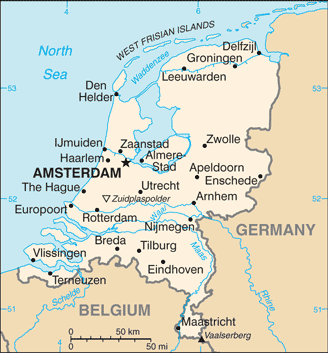
Regional map of Netherlands

Geography

Location
Western Europe, bordering the North Sea, between Belgium and Germany
Area
41,543 sq km
Climate
temperate; marine; cool summers and mild winters
Terrain
mostly coastal lowland and reclaimed land (polders); some hills in southeast
Natural resources
natural gas, petroleum, peat, limestone, salt, sand and gravel, arable land
Coastline
451 km
Natural hazards
flooding volcanism: Mount Scenery (887 m), located on the island of Saba in the Caribbean, last erupted in 1640; Round Hill (601 m), a dormant volcano also known as "The Quill," is located on the island of St. Eustatius in the Caribbean; these islands are at the northern end of the volcanic island arc of the Lesser Antilles that extends south to Grenada

People & society

Population
17,833,885 (2025 est.)
Nationality
Dutchman(men), Dutchwoman(women)
Ethnic groups
Dutch 75.4%, EU (excluding Dutch) 6.4%, Turkish 2.4%, Moroccan 2.4%, Surinamese 2.1%, Indonesian 2%, other 9.3% (2021 est.)
Languages
Dutch (official), Frisian (official in Fryslan province)
Religions
Roman Catholic 20.1%, Protestant 14.8% (includes Dutch Reformed, Protestant Church of The Netherlands, Calvinist), Muslim 5%, other 5.9% (includes Hindu, Buddhist, Jewish), none 54.1% (2019 est.)
Median age
42.2 years (2025 est.)
Life expectancy at birth
81.9 years (2024 est.)

Economy

Economic overview
high-income, core EU- and eurozone-member economy; strong services, logistics, and tech sectors; strongly trade-oriented with heightened risks from global tensions; declining inflation aided by easing energy prices and wage growth; rising but manageable deficits and public debt; strong ratings for innovation, competitiveness, and business climate
Industries
agroindustries, metal and engineering products, electrical machinery and equipment, chemicals, petroleum, construction, microelectronics, fishing
Agricultural products
milk, sugar beets, potatoes, onions, pork, wheat, chicken, tomatoes, carrots/turnips, beef (2023)
Exports - partners
Germany 16%, Belgium 15%, France 11%, Italy 6%, USA 6% (2023)
Imports - partners
Germany 16%, Belgium 10%, China 10%, USA 10%, UK 5% (2023)

Government

Government type
parliamentary constitutional monarchy; part of the Kingdom of the Netherlands
Capital
Amsterdam
Independence
26 July 1581
Constitution
many previous to adoption of the "Basic Law of the Kingdom of the Netherlands" on 24 August 1815; revised 8 times, the latest in 1983
Executive branch
King WILLEM-ALEXANDER (since 30 April 2013)
Legislative branch
States General (Staten-Generaal)

Full reference data

Every field, by section — CIA World Factbook. Open a topic to expand it.

Introduction
Background
The Dutch United Provinces declared their independence from Spain in 1581; during the 17th century, they became a leading seafaring and commercial power, with settlements and colonies around the world. After 18 years of French domination, the Netherlands regained its independence in 1813. In 1830, Belgium seceded and formed a separate kingdom. The Netherlands remained neutral in World War I but suffered German invasion and occupation in World War II. A modern, industrialized nation, the Netherlands is also a large exporter of agricultural products. The country was a founding member of NATO and the EEC (now the EU) and participated in the introduction of the euro in 1999. In 2010, the former Netherlands Antilles was dissolved and the three smallest islands -- Bonaire, Sint Eustatius, and Saba -- became special municipalities in the Netherlands administrative structure. The larger islands of Sint Maarten and Curacao joined the Netherlands and Aruba as constituent countries forming the Kingdom of the Netherlands. In 2018, the Sint Eustatius island council (governing body) was dissolved and replaced by a government commissioner to restore the integrity of public administration. According to the Dutch Government, the intervention will be as "short as possible and as long as needed."
Travel Facts
US State Dept Travel Advisory
For the latest travel advisories for this country, please consult the U.S. State Department's website, available through the link below. https://travel.state.gov/content/travel/en/traveladvisories/traveladvisories.html
Passport/Visa Requirements
For the latest passport and visa requirements for this country, please consult the U.S. State Department’s “Learn About Your Destination” search tool, available through the link below. https://travel.state.gov/content/travel/en/international-travel/International-Travel-Country-Information-Pages.html
US Embassy/Consulate
[31] (70) 310-2209; US Embassy The Hague, John Adams Park 1, 2244 BZ Wassenaar The Hague; AmsterdamUSC@state.gov; https://nl.usembassy.gov/
LGBTQIA+, Women, and Special Needs Travelers
Additional travel considerations can be found on the US State Department's International Travel page. https://travel.state.gov/content/travel/en/international-travel/before-you-go/travelers-with-special-considerations.html
Telephone Code
31
Local Emergency Phone
112
Vaccinations
For the latest information on required or recommended vaccines, please visit the CDC's website, available through the link below. https://wwwnc.cdc.gov/travel/destinations/list
Climate
Temperate; marine; cool summers and mild winters
Currency (Code)
Euros (EUR)
Electricity/Voltage/Plug Type(s)
230 V / 50 Hz / plug types(s): C, F
Major Languages
Dutch
Time Difference
UTC+1 (6 hours ahead of Washington, DC, during Standard Time); daylight saving time: +1hr, begins last Sunday in March, ends last Sunday in October; note: time descriptions apply to the continental Netherlands only, for the constituent countries of the Caribbean, the time difference is UTC -4
Potable Water
Yes
International Driving Permit
Suggested
Road Driving Side
Right
Souvenirs
Tulips/tulip bulbs, wooden clogs, blue Delft-ware, chocolate, cheese, glass/crystal, windmill themed items
Traditional Cuisine
Stamppot — potatoes mashed with sauerkraut, endive, kale, turnips, or other vegetable and cooked in a pot; usually served with smoked sausage on the side
CIA source last updated
Tuesday, June 18, 2024
Travel resources

Please visit the following links to find further information about your desired destination.

CDC - To learn what vaccines and health precautions to take while visiting your destination.

US State Dept Travel Information - Overall information about foreign travel for US citizens.

To obtain an international driving permit (IDP). Only two organizations in the US issue IDPs: American Automobile Association (AAA) and American Automobile Touring Alliance (AATA)

How to get help in an emergency? Contact the nearest US embassy or consulate, or call one of these numbers: from the US or Canada - 1-888-407-4747 or from Overseas - +1 202-501-4444

Page last updated: Tuesday, June 18, 2024

Geography
Location
Western Europe, bordering the North Sea, between Belgium and Germany
Geographic coordinates
52 31 N, 5 46 E
Map references
Europe
Area - total
41,543 sq km
Area - land
33,893 sq km
Area - water
7,650 sq km
Area - comparative
slightly less than twice the size of New Jersey
Land boundaries - total
1,053 km
Land boundaries - border countries
Belgium 478 km; Germany 575 km
Coastline
451 km
Maritime claims - territorial sea
12 nm
Maritime claims - contiguous zone
24 nm
Maritime claims - exclusive fishing zone
200 nm
Climate
temperate; marine; cool summers and mild winters
Terrain
mostly coastal lowland and reclaimed land (polders); some hills in southeast
Elevation - highest point
Mount Scenery (on the island of Saba in the Caribbean, now considered an integral part of the Netherlands following the dissolution of the Netherlands Antilles) 862 m
Elevation - lowest point
Zuidplaspolder -7 m
Elevation - mean elevation
30 m
Elevation - note
note: the highest point on continental Netherlands is Vaalserberg at 322 m
Natural resources
natural gas, petroleum, peat, limestone, salt, sand and gravel, arable land
Land use - agricultural land
53.5% (2023 est.)
Land use - agricultural land: arable land
arable land: 30% (2023 est.)
Land use - agricultural land: permanent crops
permanent crops: 1.1% (2023 est.)
Land use - agricultural land: permanent pasture
permanent pasture: 22.5% (2023 est.)
Land use - forest
10.9% (2023 est.)
Land use - other
35.5% (2023 est.)
Irrigated land
2,969 sq km (2019)
Major rivers (by length in km)
Rijn (Rhine) river mouth (shared with Switzerland [s], Germany, and France) - 1,233 km note: [s] after country name indicates river source; [m] after country name indicates river mouth
Major watersheds (area sq km) - Atlantic Ocean drainage
Rhine-Maas (198,735 sq km)
Population distribution
an area known as the Randstad, anchored by the cities of Amsterdam, Rotterdam, the Hague, and Utrecht, is the most densely populated region; the north tends to be less dense, but sizeable communities can be found throughout the entire country
Natural hazards
flooding volcanism: Mount Scenery (887 m), located on the island of Saba in the Caribbean, last erupted in 1640; Round Hill (601 m), a dormant volcano also known as "The Quill," is located on the island of St. Eustatius in the Caribbean; these islands are at the northern end of the volcanic island arc of the Lesser Antilles that extends south to Grenada
Geography - note
located at mouths of three major European rivers (Rhine (Rijn), Meuse (Maas), and Scheldt (Schelde)); about a quarter of the country lies below sea level and only about half of the land exceeds one meter above sea level
People and Society
Population - total
17,833,885 (2025 est.)
Population - male
8,874,366
Population - female
8,959,519
Nationality - noun
Dutchman(men), Dutchwoman(women)
Nationality - adjective
Dutch
Ethnic groups
Dutch 75.4%, EU (excluding Dutch) 6.4%, Turkish 2.4%, Moroccan 2.4%, Surinamese 2.1%, Indonesian 2%, other 9.3% (2021 est.)
Languages - Languages
Dutch (official), Frisian (official in Fryslan province)
Languages - major-language sample(s)
Het Wereld Feitenboek, een onmisbare bron van informatie. (Dutch) The World Factbook, the indispensable source for basic information.
Languages - note
note: Frisian, Low Saxon, Limburgish, Romani, and Yiddish have protected status; Dutch is the official language of the three special municipalities of the Caribbean Netherlands; English is a recognized regional language on Sint Eustatius and Saba; Papiamento is a recognized regional language on Bonaire
Religions
Roman Catholic 20.1%, Protestant 14.8% (includes Dutch Reformed, Protestant Church of The Netherlands, Calvinist), Muslim 5%, other 5.9% (includes Hindu, Buddhist, Jewish), none 54.1% (2019 est.)
Age structure - 0-14 years
15.2% (male 1,384,142/female 1,312,455)
Age structure - 15-64 years
64.1% (male 5,750,034/female 5,640,691)
Age structure - 65 years and over
20.7% (2024 est.) (male 1,709,924/female 1,975,132)
Dependency ratios - total dependency ratio
56.8 (2025 est.)
Dependency ratios - youth dependency ratio
23.7 (2025 est.)
Dependency ratios - elderly dependency ratio
33 (2025 est.)
Dependency ratios - potential support ratio
3 (2025 est.)
Median age - total
42.2 years (2025 est.)
Median age - male
40.9 years
Median age - female
43.5 years
Population growth rate
0.3% (2025 est.)
Birth rate
10.68 births/1,000 population (2025 est.)
Death rate
9.7 deaths/1,000 population (2025 est.)
Net migration rate
2.01 migrant(s)/1,000 population (2025 est.)
Population distribution
an area known as the Randstad, anchored by the cities of Amsterdam, Rotterdam, the Hague, and Utrecht, is the most densely populated region; the north tends to be less dense, but sizeable communities can be found throughout the entire country
Urbanization - urban population
93.2% of total population (2023)
Urbanization - rate of urbanization
0.59% annual rate of change (2020-25 est.)
Major urban areas - population
1.174 million AMSTERDAM (capital), 1.018 million Rotterdam (2023)
Sex ratio - at birth
1.05 male(s)/female
Sex ratio - 0-14 years
1.05 male(s)/female
Sex ratio - 15-64 years
1.02 male(s)/female
Sex ratio - 65 years and over
0.87 male(s)/female
Sex ratio - total population
0.99 male(s)/female (2024 est.)
Mother's mean age at first birth
30.2 years (2020 est.)
Maternal mortality ratio
4 deaths/100,000 live births (2023 est.)
Infant mortality rate - total
3.6 deaths/1,000 live births (2025 est.)
Infant mortality rate - male
3.9 deaths/1,000 live births
Infant mortality rate - female
3.3 deaths/1,000 live births
Life expectancy at birth - total population
81.9 years (2024 est.)
Life expectancy at birth - male
80.3 years
Life expectancy at birth - female
83.5 years
Total fertility rate
1.62 children born/woman (2025 est.)
Gross reproduction rate
0.79 (2025 est.)
Drinking water source - improved: urban
urban: 100% of population (2022 est.)
Drinking water source - improved: rural
rural: 100% of population (2022 est.)
Drinking water source - improved: total
total: 100% of population (2022 est.)
Drinking water source - unimproved: urban
urban: 0% of population (2022 est.)
Drinking water source - unimproved: rural
rural: 0% of population (2022 est.)
Drinking water source - unimproved: total
total: 0% of population (2022 est.)
Health expenditure - Health expenditure (as % of GDP)
11.3% of GDP (2021)
Health expenditure - Health expenditure (as % of national budget)
15.9% of national budget (2022 est.)
Physician density
3.88 physicians/1,000 population (2022)
Hospital bed density
2.9 beds/1,000 population (2020 est.)
Sanitation facility access - improved: urban
urban: 100% of population (2022 est.)
Sanitation facility access - improved: rural
rural: 100% of population (2022 est.)
Sanitation facility access - improved: total
total: 100% of population (2022 est.)
Sanitation facility access - unimproved: urban
urban: 0% of population (2022 est.)
Sanitation facility access - unimproved: rural
rural: 0% of population (2022 est.)
Sanitation facility access - unimproved: total
total: 0% of population (2022 est.)
Obesity - adult prevalence rate
20.4% (2016)
Alcohol consumption per capita - total
8.23 liters of pure alcohol (2019 est.)
Alcohol consumption per capita - beer
3.95 liters of pure alcohol (2019 est.)
Alcohol consumption per capita - wine
2.92 liters of pure alcohol (2019 est.)
Alcohol consumption per capita - spirits
1.36 liters of pure alcohol (2019 est.)
Alcohol consumption per capita - other alcohols
0 liters of pure alcohol (2019 est.)
Tobacco use - total
18.7% (2025 est.)
Tobacco use - male
21% (2025 est.)
Tobacco use - female
16.4% (2025 est.)
Currently married women (ages 15-49)
53.5% (2023 est.)
Education expenditure - Education expenditure (% GDP)
5.2% of GDP (2022 est.)
Education expenditure - Education expenditure (% national budget)
12% national budget (2022 est.)
School life expectancy (primary to tertiary education) - total
19 years (2021 est.)
School life expectancy (primary to tertiary education) - male
18 years (2021 est.)
School life expectancy (primary to tertiary education) - female
19 years (2021 est.)
Government
Country name - conventional long form
Kingdom of the Netherlands
Country name - conventional short form
Netherlands
Country name - local long form
Koninkrijk der Nederlanden
Country name - local short form
Nederland
Country name - abbreviation
NL
Country name - etymology
the English name is derived from the country's Dutch name, which means "the lowlands" and describes the geographic area; only about half the Netherlands is more than 1 meter (3.3 ft) above sea level
Government type
parliamentary constitutional monarchy; part of the Kingdom of the Netherlands
Capital - name
Amsterdam
Capital - geographic coordinates
52 21 N, 4 55 E
Capital - time difference
UTC+1 (6 hours ahead of Washington, DC, during Standard Time)
Capital - daylight saving time
+1hr, begins last Sunday in March; ends last Sunday in October
Capital - time zone note
time descriptions apply to the continental Netherlands only, for the constituent countries in the Caribbean, the time difference is UTC-4
Capital - etymology
the name is derived from the Dutch name of the local river, the Amstel, and the Dutch word dam , which has the same meaning in English; the river name is said to derive from the Germanic words ama (current) and stelle (place)
Capital - note
note: The Hague is the seat of government
Administrative divisions
12 provinces ( provincies , singular - provincie ), 3 public entities* ( openbare lichamen , singular - openbaar lichaam (Dutch); entidatnan publiko , singular - entidat publiko (Papiamento)); Bonaire*, Drenthe, Flevoland, Fryslan (Friesland), Gelderland, Groningen, Limburg, Noord-Brabant (North Brabant), Noord-Holland (North Holland), Overijssel, Saba*, Sint Eustatius*, Utrecht, Zeeland (Zealand), Zuid-Holland (South Holland)
Administrative divisions - note
note 1: the Netherlands is one of four constituent countries of the Kingdom of the Netherlands; the other three, Aruba, Curacao, and Sint Maarten, are Caribbean islands; all four are considered equal partners, but the Netherlands makes up about 98% of the Kingdom's total land area and population and administers most of the Kingdom's affairs note 2: although Bonaire, Saba, and Sint Eustatius are officially incorporated into the country of the Netherlands under the broad designation of "public entities," Dutch government sources often call them "special municipalities;" Bonaire, Saba, and Sint Eustatius are collectively referred to as the Caribbean Netherlands
Legal system
civil law system based on the French system; constitution does not permit judicial review of acts of the States General
Constitution - history
many previous to adoption of the "Basic Law of the Kingdom of the Netherlands" on 24 August 1815; revised 8 times, the latest in 1983
Constitution - amendment process
proposed as an Act of Parliament by or on behalf of the king or by the Second Chamber of the States General; the Second Chamber is dissolved after its first reading of the Act; passage requires a second reading by both the First Chamber and the newly elected Second Chamber, followed by at least two-thirds majority vote of both chambers, and ratification by the king
International law organization participation
accepts compulsory ICJ jurisdiction with reservations; accepts ICCt jurisdiction
Citizenship - citizenship by birth
no
Citizenship - citizenship by descent only
at least one parent must be a citizen of the Netherlands
Citizenship - dual citizenship recognized
no
Citizenship - residency requirement for naturalization
5 years
Suffrage
18 years of age; universal
Executive branch - chief of state
King WILLEM-ALEXANDER (since 30 April 2013)
Executive branch - head of government
Caretaker Prime Minister Dick SCHOOF (since 3 June 2025)
Executive branch - cabinet
Council of Ministers appointed by the monarch
Executive branch - election/appointment process
the monarchy is hereditary; following Second Chamber elections, the monarch usually appoints the leader of the majority party or majority coalition as prime minister; deputy prime ministers are also appointed by the monarch
Executive branch - note
note: Prime Minister Dick SCHOOF resigned on 3 June 2025 after a party withdrew from his governing coalition, but he will continue in a caretaker capacity until new elections are held, probably in the fall of 2025
Legislative branch - legislature name
States General (Staten-Generaal)
Legislative branch - legislative structure
bicameral
Legislative branch - lower chamber - chamber name
House of Representatives (Tweede Kamer der Staten-Generaal)
Legislative branch - lower chamber - number of seats
150 (all directly elected)
Legislative branch - lower chamber - electoral system
proportional representation
Legislative branch - lower chamber - scope of elections
full renewal
Legislative branch - lower chamber - term in office
4 years
Legislative branch - lower chamber - most recent election date
10/29/2025
Legislative branch - lower chamber - parties elected and seats per party
Democrats 66 (D66) (26); Party for Freedom (PVV) (26); People's Party for Freedom and Democracy (VVD) (22); Green Left - Labour Party (PvdA) (20); Christian Democratic Appeal (CDA) (18); JA21 (9); Other (29)
Legislative branch - lower chamber - percentage of women in chamber
42.7%
Legislative branch - lower chamber - expected date of next election
October 2029
Legislative branch - upper chamber - chamber name
Senate (Eerste Kamer der Staten-Generaal)
Legislative branch - upper chamber - number of seats
75 (all indirectly elected)
Legislative branch - upper chamber - scope of elections
full renewal
Legislative branch - upper chamber - term in office
4 years
Legislative branch - upper chamber - most recent election date
5/30/2023
Legislative branch - upper chamber - percentage of women in chamber
40%
Legislative branch - upper chamber - expected date of next election
May 2027
Judicial branch - highest court(s)
Supreme Court or Hoge Raad (consists of 41 judges: the president, 6 vice presidents, 31 justices, and 3 justices in exceptional service); the court is divided into criminal, civil, tax, and ombuds chambers
Judicial branch - judge selection and term of office
justices appointed by the monarch from a list provided by the House of Representatives of the States General; justices appointed for life or until mandatory retirement at age 70
Judicial branch - subordinate courts
courts of appeal; district courts, each with up to 5 subdistrict courts; Netherlands Commercial Court
Political parties
Christian Democratic Appeal or CDA Christian Union or CU Correct Answer 2021 or JA21 Democrats 66 or D66 Denk Farmer-Citizen Movement or BBB 50Plus Forum for Democracy or FvD Green Left (GroenLinks) or GL Labor Party or PvdA New Social Contract or NSC Party for Freedom or PVV Party for the Animals or PvdD People's Party for Freedom and Democracy or VVD Reformed Political Party or SGP Socialist Party or SP Together or BIJ1 Volt Netherlands or Volt
Diplomatic representation in the US - chief of mission
Ambassador Birgitta TAZELAAR (since 15 September 2023)
Diplomatic representation in the US - chancery
4200 Linnean Avenue NW, Washington, DC 20008
Diplomatic representation in the US - telephone
[1] (202) 244-5300
Diplomatic representation in the US - FAX
[1] (202) 362-3430
Diplomatic representation in the US - consulate(s) general
Atlanta, Chicago, Miami, New York, San Francisco
Diplomatic representation from the US - chief of mission
Ambassador Joseph POPOLO (since 29 October 2025)
Diplomatic representation from the US - embassy
John Adams Park 1, 2244 BZ Wassenaar
Diplomatic representation from the US - mailing address
5780 Amsterdam Place, Washington DC 20521-5780
Diplomatic representation from the US - telephone
[31] (70) 310-2209
Diplomatic representation from the US - FAX
[31] (70) 310-2207
Diplomatic representation from the US - email address and website
Diplomatic representation from the US - consulate(s) general
Amsterdam
International organization participation
ADB (nonregional member), AfDB (nonregional member), Arctic Council (observer), Australia Group, Benelux, BIS, CBSS (observer), CD, CE, CERN, EAPC, EBRD, ECB, EIB, EITI (implementing country), EMU, ESA, EU, FAO, FATF, G-10, IADB, IAEA, IBRD, ICAO, ICC (national committees), ICCt, ICRM, IDA, IEA, IFAD, IFC, IFRCS, IGAD (partners), IHO, ILO, IMF, IMO, IMSO, Interpol, IOC, IOM, IPU, ISO, ITSO, ITU, ITUC (NGOs), MIGA, NATO, NEA, NSG, OAS (observer), OECD, OPCW, OSCE, Pacific Alliance (observer), Paris Club, PCA, Schengen Convention, SELEC (observer), UN, UNCTAD, UNESCO, UNHCR, UNHRC, UNIDO, UNMISS, UNOOSA, UNRWA, UN Security Council (temporary), UNTSO, UNWTO, UPU, Wassenaar Arrangement, WCO, WHO, WIPO, WMO, WTO, ZC
Independence
26 July 1581
Independence - note
note: the northern provinces of the Low Countries formally declared their independence with an Act of Abjuration in 1581, but, it was not until 30 January 1648 and the Peace of Westphalia that Spain recognized this independence
National holiday
King's Day (birthday of King WILLEM-ALEXANDER), 27 April (1967)
National holiday - note
note: observed on the ruling monarch's birthday; celebrated on 26 April if 27 April is a Sunday
Flag
description: three equal horizontal bands of bright red (top), white, and cobalt blue history: the colors come from WILLIAM I, Prince of Orange; originally the upper band was orange, but the dye would turn red over time, so red was eventually made the permanent color
Flag - note
note: similar to the flag of Luxembourg, which uses a lighter blue and is wider
National symbol(s)
lion, daisy
National color(s)
orange
National anthem(s) - title
"Het Wilhelmus" (The William)
National anthem(s) - lyrics/music
Philips VAN MARNIX van Sint Aldegonde (presumed)/unknown
National anthem(s) - history
adopted 1932, in use since the 17th century
National heritage - total World Heritage Sites
13 (12 cultural, 1 natural)
National heritage - selected World Heritage Site locales
Schokland and Surroundings (c); Dutch Water Defense Lines (c); Van Nellefabriek (c); Mill Network at Kinderdijk-Elshout (c); Droogmakerij de Beemster (Beemster Polder) (c); Rietveld Schröderhuis (Rietveld Schröder House) (c); Wadden Sea (n); Seventeenth Century Canal Ring Area of Amsterdam inside the Singelgracht (c); Colonies of Benevolence (c); Frontiers of the Roman Empire - The Lower German Limes (c)
National heritage - note
note: includes one site in Curacao
Economy
Economic overview
high-income, core EU- and eurozone-member economy; strong services, logistics, and tech sectors; strongly trade-oriented with heightened risks from global tensions; declining inflation aided by easing energy prices and wage growth; rising but manageable deficits and public debt; strong ratings for innovation, competitiveness, and business climate
Real GDP (purchasing power parity) - Real GDP (purchasing power parity) 2024
$1.276 trillion (2024 est.)
Real GDP (purchasing power parity) - Real GDP (purchasing power parity) 2023
$1.263 trillion (2023 est.)
Real GDP (purchasing power parity) - Real GDP (purchasing power parity) 2022
$1.263 trillion (2022 est.)
Real GDP (purchasing power parity) - note
note: data in 2021 dollars
Real GDP growth rate - Real GDP growth rate 2024
1% (2024 est.)
Real GDP growth rate - Real GDP growth rate 2023
0.1% (2023 est.)
Real GDP growth rate - Real GDP growth rate 2022
5% (2022 est.)
Real GDP growth rate - note
note: annual GDP % growth based on constant local currency
Real GDP per capita - Real GDP per capita 2024
$70,900 (2024 est.)
Real GDP per capita - Real GDP per capita 2023
$70,700 (2023 est.)
Real GDP per capita - Real GDP per capita 2022
$71,300 (2022 est.)
Real GDP per capita - note
note: data in 2021 dollars
GDP (official exchange rate)
$1.228 trillion (2024 est.)
GDP (official exchange rate) - note
note: data in current dollars at official exchange rate
Inflation rate (consumer prices) - Inflation rate (consumer prices) 2024
3.3% (2024 est.)
Inflation rate (consumer prices) - Inflation rate (consumer prices) 2023
3.8% (2023 est.)
Inflation rate (consumer prices) - Inflation rate (consumer prices) 2022
10% (2022 est.)
Inflation rate (consumer prices) - note
note: annual % change based on consumer prices
GDP - composition, by sector of origin - agriculture
1.7% (2024 est.)
GDP - composition, by sector of origin - industry
17.9% (2024 est.)
GDP - composition, by sector of origin - services
70.3% (2024 est.)
GDP - composition, by sector of origin - note
note: figures may not total 100% due to non-allocated consumption not captured in sector-reported data
GDP - composition, by end use - household consumption
42.1% (2023 est.)
GDP - composition, by end use - government consumption
24.5% (2023 est.)
GDP - composition, by end use - investment in fixed capital
20.1% (2023 est.)
GDP - composition, by end use - investment in inventories
-0.1% (2023 est.)
GDP - composition, by end use - exports of goods and services
88.5% (2023 est.)
GDP - composition, by end use - imports of goods and services
-77.4% (2023 est.)
GDP - composition, by end use - note
note: figures may not total 100% due to rounding or gaps in data collection
Agricultural products
milk, sugar beets, potatoes, onions, pork, wheat, chicken, tomatoes, carrots/turnips, beef (2023)
Agricultural products - note
note: top ten agricultural products based on tonnage
Industries
agroindustries, metal and engineering products, electrical machinery and equipment, chemicals, petroleum, construction, microelectronics, fishing
Industrial production growth rate
-1.5% (2024 est.)
Industrial production growth rate - note
note: annual % change in industrial value added based on constant local currency
Labor force
10.315 million (2024 est.)
Labor force - note
note: number of people ages 15 or older who are employed or seeking work
Unemployment rate - Unemployment rate 2024
3.6% (2024 est.)
Unemployment rate - Unemployment rate 2023
3.6% (2023 est.)
Unemployment rate - Unemployment rate 2022
3.6% (2022 est.)
Unemployment rate - note
note: % of labor force seeking employment
Youth unemployment rate (ages 15-24) - total
8.2% (2024 est.)
Youth unemployment rate (ages 15-24) - male
8.4% (2024 est.)
Youth unemployment rate (ages 15-24) - female
7.9% (2024 est.)
Youth unemployment rate (ages 15-24) - note
note: % of labor force ages 15-24 seeking employment
Population below poverty line
14.5% (2021 est.)
Population below poverty line - note
note: % of population with income below national poverty line
Gini Index coefficient - distribution of family income - Gini Index coefficient - distribution of family income 2021
25.7 (2021 est.)
Gini Index coefficient - distribution of family income - note
note: index (0-100) of income distribution; higher values represent greater inequality
Average household expenditures - on food
11.7% of household expenditures (2023 est.)
Average household expenditures - on alcohol and tobacco
3% of household expenditures (2023 est.)
Household income or consumption by percentage share - lowest 10%
3.6% (2021 est.)
Household income or consumption by percentage share - highest 10%
21.4% (2021 est.)
Household income or consumption by percentage share - note
note: % share of income accruing to lowest and highest 10% of population
Remittances - Remittances 2024
0.4% of GDP (2024 est.)
Remittances - Remittances 2023
0.4% of GDP (2023 est.)
Remittances - Remittances 2022
0.4% of GDP (2022 est.)
Remittances - note
note: personal transfers and compensation between resident and non-resident individuals/households/entities
Budget - revenues
$451.11 billion (2023 est.)
Budget - expenditures
$455.334 billion (2023 est.)
Budget - note
note: central government revenues (excluding grants) and expenditures converted to US dollars at average official exchange rate for year indicated
Public debt - Public debt 2017
56.5% of GDP (2017 est.)
Public debt - note
note: data cover general government debt and include debt instruments issued (or owned) by government entities other than the treasury; the data include treasury debt held by foreign entities; the data include debt issued by subnational entities, as well as intragovernmental debt; intragovernmental debt consists of treasury borrowings from surpluses in the social funds, such as for retirement, medical care, and unemployment, debt instruments for the social funds are not sold at public auctions
Taxes and other revenues
24.8% (of GDP) (2023 est.)
Taxes and other revenues - note
note: central government tax revenue as a % of GDP
Current account balance - Current account balance 2024
$121.825 billion (2024 est.)
Current account balance - Current account balance 2023
$113.676 billion (2023 est.)
Current account balance - Current account balance 2022
$69.676 billion (2022 est.)
Current account balance - note
note: balance of payments - net trade and primary/secondary income in current dollars
Exports - Exports 2024
$1.032 trillion (2024 est.)
Exports - Exports 2023
$1.022 trillion (2023 est.)
Exports - Exports 2022
$1.007 trillion (2022 est.)
Exports - note
note: balance of payments - exports of goods and services in current dollars
Exports - partners
Germany 16%, Belgium 15%, France 11%, Italy 6%, USA 6% (2023)
Exports - partners - note
note: top five export partners based on percentage share of exports
Exports - commodities
refined petroleum, vaccines, machinery, crude petroleum, broadcasting equipment (2023)
Exports - commodities - note
note: top five export commodities based on value in dollars
Imports - Imports 2024
$884.154 billion (2024 est.)
Imports - Imports 2023
$893.132 billion (2023 est.)
Imports - Imports 2022
$915.294 billion (2022 est.)
Imports - note
note: balance of payments - imports of goods and services in current dollars
Imports - partners
Germany 16%, Belgium 10%, China 10%, USA 10%, UK 5% (2023)
Imports - partners - note
note: top five import partners based on percentage share of imports
Imports - commodities
crude petroleum, refined petroleum, broadcasting equipment, cars, natural gas (2023)
Imports - commodities - note
note: top five import commodities based on value in dollars
Reserves of foreign exchange and gold - Reserves of foreign exchange and gold 2024
$79.129 billion (2024 est.)
Reserves of foreign exchange and gold - Reserves of foreign exchange and gold 2023
$69.83 billion (2023 est.)
Reserves of foreign exchange and gold - Reserves of foreign exchange and gold 2022
$63.353 billion (2022 est.)
Reserves of foreign exchange and gold - note
note: holdings of gold (year-end prices)/foreign exchange/special drawing rights in current dollars
Exchange rates - Currency
euros (EUR) per US dollar -
Exchange rates - Exchange rates 2024
0.924 (2024 est.)
Exchange rates - Exchange rates 2023
0.925 (2023 est.)
Exchange rates - Exchange rates 2022
0.95 (2022 est.)
Exchange rates - Exchange rates 2021
0.845 (2021 est.)
Exchange rates - Exchange rates 2020
0.876 (2020 est.)
Energy
Electricity access - electrification - total population
100% (2022 est.)
Electricity - installed generating capacity
59.982 million kW (2023 est.)
Electricity - consumption
108.141 billion kWh (2023 est.)
Electricity - exports
25.206 billion kWh (2023 est.)
Electricity - imports
19.547 billion kWh (2023 est.)
Electricity - transmission/distribution losses
4.936 billion kWh (2023 est.)
Electricity generation sources - fossil fuels
46.8% of total installed capacity (2023 est.)
Electricity generation sources - nuclear
3.2% of total installed capacity (2023 est.)
Electricity generation sources - solar
17.2% of total installed capacity (2023 est.)
Electricity generation sources - wind
24.6% of total installed capacity (2023 est.)
Electricity generation sources - hydroelectricity
0.1% of total installed capacity (2023 est.)
Electricity generation sources - biomass and waste
8.2% of total installed capacity (2023 est.)
Nuclear energy - Number of operational nuclear reactors
1 (2025)
Nuclear energy - Net capacity of operational nuclear reactors
0.48GW (2025 est.)
Nuclear energy - Percent of total electricity production
3.2% (2023 est.)
Nuclear energy - Number of nuclear reactors permanently shut down
1 (2025)
Coal - production
1.761 million metric tons (2023 est.)
Coal - consumption
12.796 million metric tons (2023 est.)
Coal - exports
13.586 million metric tons (2023 est.)
Coal - imports
24.663 million metric tons (2023 est.)
Coal - proven reserves
3.247 billion metric tons (2023 est.)
Petroleum - total petroleum production
70,000 bbl/day (2023 est.)
Petroleum - refined petroleum consumption
840,000 bbl/day (2024 est.)
Petroleum - crude oil estimated reserves
137.747 million barrels (2021 est.)
Natural gas - production
11.788 billion cubic meters (2023 est.)
Natural gas - consumption
31.288 billion cubic meters (2023 est.)
Natural gas - exports
45.129 billion cubic meters (2023 est.)
Natural gas - imports
66.783 billion cubic meters (2023 est.)
Natural gas - proven reserves
132.608 billion cubic meters (2021 est.)
Energy consumption per capita - Total energy consumption per capita 2023
185.536 million Btu/person (2023 est.)
Communications
Telephones - fixed lines - total subscriptions
4.262 million (2023 est.)
Telephones - fixed lines - subscriptions per 100 inhabitants
24 (2023 est.)
Telephones - mobile cellular - total subscriptions
23.4 million (2024 est.)
Telephones - mobile cellular - subscriptions per 100 inhabitants
129 (2024 est.)
Broadcast media
more than 90% of households are connected to cable or satellite TV systems with a wide range of domestic and foreign channels; public service broadcast system includes multiple broadcasters, 3 with a national reach and the remainder in regional and local markets; 2 nationwide commercial TV companies, each with 3 or more stations, and many commercial TV stations in regional and local markets; nearly 600 radio stations with a mix of public and private stations
Internet country code
.nl
Internet users - percent of population
97% (2023 est.)
Broadband - fixed subscriptions - total
7.83 million (2023 est.)
Broadband - fixed subscriptions - subscriptions per 100 inhabitants
43 (2023 est.)
Transportation
Civil aircraft registration country code prefix
PH
Airports
44 (2025)
Airports - note
note: Includes 3 airports in Bonaire, Sint Eustatius and Saba
Heliports
194 (2025)
Railways - total
3,055 km (2020) 2,310 km electrified
Merchant marine - total
1,187 (2023)
Merchant marine - by type
bulk carrier 11, container ship 36, general cargo 521, oil tanker 27, other 592
Ports - total ports
18 (2024)
Ports - large
2
Ports - medium
4
Ports - small
5
Ports - very small
7
Ports - ports with oil terminals
12
Ports - key ports
Amsterdam, Dordrecht, Europoort, Rotterdam, Terneuzen, Vlissingen
Military and Security
Military and security forces
Netherlands (Dutch) Armed Forces (Nederlandse Krijgsmacht): Royal Netherlands Army, Royal Netherlands Navy (includes Marine Corps), Royal Netherlands Air Force, Royal Netherlands Marechaussee (Military Constabulary) (2025)
Military and security forces - note
note 1: the Netherlands Coast Guard and the Dutch Caribbean Coast Guard are civilian in nature but managed by the Royal Netherlands Navy note 2: the core missions of the Royal Netherlands Marechaussee are border security, security and surveillance, and international and military police tasks note 3: the Netherlands (or National) Police maintain internal security and report to the Ministry of Justice and Security, which oversees law enforcement organizations, as do the justice ministries in Aruba, Curacao, and Sint Maarten
Military expenditures - Military Expenditures 2025
2.5% of GDP (2025 est.)
Military expenditures - Military Expenditures 2024
2% of GDP (2024 est.)
Military expenditures - Military Expenditures 2023
1.6% of GDP (2023 est.)
Military expenditures - Military Expenditures 2022
1.4% of GDP (2022 est.)
Military expenditures - Military Expenditures 2021
1.3% of GDP (2021 est.)
Military and security service personnel strengths
approximately 43,000 active-duty professional military personnel (2025)
Military equipment inventories and acquisitions
the military's inventory consists of a mix of domestically produced and modern European- and US-sourced equipment; the Netherlands has an advanced domestic defense industry that focuses on armored vehicles, naval ships, and air defense systems; it also participates with the US and other European countries on joint development and production of advanced weapons systems (2025)
Military service age and obligation
17 years of age for voluntary service for men and women; the military is an all-volunteer force; conscription remains in place, but the requirement to show up for compulsory military service was suspended in 1997 (2025)
Military deployments
350 Lithuania (NATO); 150 Romania (NATO); approximately 800 deployed to Dutch territories in the Caribbean (2025)
Military deployments - note
note: the Netherlands contributes naval assets to support freedom of the sea missions in such places as the Red Sea and the Strait of Hormuz; it also assists with monitoring the airspace of the eastern flank of NATO territory by means of fighter aircraft and provides some ground personnel to a variety of other NATO, UN, and EU security missions
Military - note
the Dutch military is charged with the three core tasks of defending the country’s national territory and that of its allies, enforcing the national and international rule of law, and providing assistance during disasters and other crises; it also has some domestic security duties, including in the Dutch Caribbean territories; the military operates globally but rarely carries out its operations independently, focusing instead on working through NATO and bilaterally with regional partners; it has particularly close ties with Belgium, Denmark, Germany, and the UK, including some combined military units and staffs the Netherlands has been a member of NATO since its founding in 1949, and the Dutch military is involved in NATO missions and operations with air, ground, and naval forces, including air policing missions over the Benelux countries and Eastern Europe, NATO’s Enhanced Forward Presence initiative in the Baltic States and Eastern Europe, and several NATO naval flotillas, as well as standby units for NATO’s rapid response force; the military has previously deployed forces to NATO-led operations in Afghanistan, Iraq, and Kosovo and also contributes to EU- and UN-led missions; Royal Netherlands Marechaussee detachments have been included in international police units deployed by NATO (2025)
Terrorism
Terrorist group(s)
Islamic State of Iraq and ash-Sham (ISIS)
Terrorist group(s) - note
note: details about the history, aims, leadership, organization, areas of operation, tactics, targets, weapons, size, and sources of support of the group(s) appear(s) in the Terrorism reference guide
Transnational Issues
Refugees and internally displaced persons - refugees
310,239 (2024 est.)
Refugees and internally displaced persons - stateless persons
4,428 (2024 est.)
Illicit drugs - USG identification
major precursor-chemical producer (2025)
Environment
Environmental issues
water pollution, including industrial and agricultural chemicals in rivers; air pollution from vehicles and refining activities
International environmental agreements - party to
Air Pollution, Air Pollution-Heavy Metals, Air Pollution-Multi-effect Protocol, Air Pollution-Nitrogen Oxides, Air Pollution-Persistent Organic Pollutants, Air Pollution-Sulphur 85, Air Pollution-Sulphur 94, Air Pollution-Volatile Organic Compounds, Antarctic-Environmental Protection, Antarctic-Marine Living Resources, Antarctic Treaty, Biodiversity, Climate Change, Climate Change-Kyoto Protocol, Climate Change-Paris Agreement, Comprehensive Nuclear Test Ban, Desertification, Endangered Species, Environmental Modification, Hazardous Wastes, Law of the Sea, Marine Dumping-London Convention, Marine Dumping-London Protocol, Marine Life Conservation, Nuclear Test Ban, Ozone Layer Protection, Ship Pollution, Tropical Timber 2006, Wetlands, Whaling
International environmental agreements - signed, but not ratified
none of the selected agreements
Climate
temperate; marine; cool summers and mild winters
Land use - agricultural land
53.5% (2023 est.)
Land use - agricultural land: arable land
arable land: 30% (2023 est.)
Land use - agricultural land: permanent crops
permanent crops: 1.1% (2023 est.)
Land use - agricultural land: permanent pasture
permanent pasture: 22.5% (2023 est.)
Land use - forest
10.9% (2023 est.)
Land use - other
35.5% (2023 est.)
Urbanization - urban population
93.2% of total population (2023)
Urbanization - rate of urbanization
0.59% annual rate of change (2020-25 est.)
Carbon dioxide emissions - total emissions
188.191 million metric tonnes of CO2 (2023 est.)
Carbon dioxide emissions - from coal and metallurgical coke
23.701 million metric tonnes of CO2 (2023 est.)
Carbon dioxide emissions - from petroleum and other liquids
112.037 million metric tonnes of CO2 (2023 est.)
Carbon dioxide emissions - from consumed natural gas
52.454 million metric tonnes of CO2 (2023 est.)
Particulate matter emissions
10 micrograms per cubic meter (2019 est.)
Methane emissions - energy
63.1 kt (2022-2024 est.)
Methane emissions - agriculture
449 kt (2019-2021 est.)
Methane emissions - waste
123.3 kt (2019-2021 est.)
Methane emissions - other
17.4 kt (2019-2021 est.)
Waste and recycling - municipal solid waste generated annually
8.805 million tons (2024 est.)
Waste and recycling - percent of municipal solid waste recycled
28.3% (2022 est.)
Total water withdrawal - municipal
2.185 billion cubic meters (2022)
Total water withdrawal - industrial
5.784 billion cubic meters (2022)
Total water withdrawal - agricultural
265.086 million cubic meters (2022)
Total renewable water resources
91 billion cubic meters (2022 est.)
Geoparks - total global geoparks and regional networks
2 (2024)
Geoparks - global geoparks and regional networks
De Hondsrug; Schelde Delta (includes Belgium) (2024)
Space
Space agency/agencies
Netherlands Space Office (NSO; established 2009) (2025)
Space program overview
has a national space program focused on developing advanced space technologies and services based on satellite data; builds and operates a range of satellites, including communications and remote sensing (RS); researches and develops technologies related to astrophysics, atmospheric measuring instruments, planetary/exoplanetary research, propulsion systems, RS, robotics, and telecommunications; founding member of the ESA and active in the EU space community; hosts the ESA's main research and technology center; participates in building European satellite launch vehicles and a range of other European space programs, such as Copernicus Earth observation and the Galileo global navigation satellite system; participates in international programs, including the International Space Station and the Square Kilometer Array project; works with other foreign space agencies and industries, including those of Japan and the US; has a robust commercial space sector (2025)
Key space-program milestones
1960s - established space program 1974-1983 - developed advanced astronomical observatory satellites jointly with US, including the Astronomical Netherlands Satellite and the Infrared Astronomical Satellite 1985 - first Dutch citizen in space on the US Space Shuttle 2023 - signed US-led Artemis Accords for space and lunar exploration 2025 - launched the first of four planned synthetic aperture radar (SAR) remote sensing satellites