Country exposure · CR

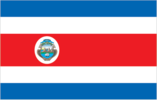
Flag of Costa Rica

Costa Rica

Central America N Caribbean · San José · presidential republic

What Costa Rica means for your money — the prices you pay, the tariffs in motion, and where U.S. policy could change both.
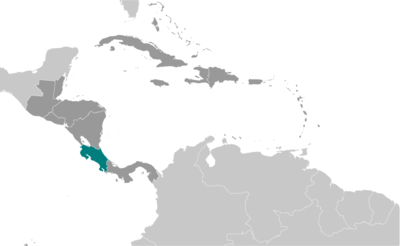
Map showing the location of Costa Rica

$13.9B

U.S. imports, 2025

+19.5%

change in one year

$10.2B

U.S. exports, 2025

5M

Population

$95.3B

GDP

In your house

What you buy that Costa Rica makes

America bought $13.9B in goods from Costa Rica in 2025 — up 19.5% in a single year. Of every $100 of it, here's where the money went.

Medicinal equipment

medical devices and equipment

$5.7B41%

Semiconductors

semiconductors and chips

$2.4B17.3%

Fruits, frozen juices

fruit and frozen juices

$1.4B9.8%

Cell phones and other household goods, n.e.c.

cell phones and home electronics

$1.3B9.3%

U.s. goods returned, and reimports

$686M4.9%

Electric apparatus

$236M1.7%

Minimum value shipments

$218M1.6%

Green coffee

green coffee for roasters

$217M1.6%

Vegetables

vegetables

$201M1.4%

Industrial supplies, other

$190M1.4%

2026 so far (through April): $3.8B in imports. Source: U.S. Census Bureau, International Trade in Goods (customs basis).

The other direction

What America sells to Costa Rica

$10.2B in 2025 — a trade rupture cuts both ways, for American producers as well as American prices.

Petroleum products, other

$1.1B

Medicinal equipment

$899M

medical devices and equipment

Fuel oil

$836M

Other industrial supplies

$509M

Minimum value shipments

$490M

Electric apparatus

$484M

Cell phones and other household goods, n.e.c.

$422M

cell phones and home electronics

Semiconductors

$336M

semiconductors and chips

Plastic materials

$335M

plastics for packaging and goods

Where you stand

U.S. tariff posture toward Costa Rica

No U.S. tariff action singles this country out. Its goods face the universal 10% temporary import surcharge under Section 122 of the Trade Act (which replaced the IEEPA reciprocal baseline in February 2026) plus the sectoral Section 232 duties — steel and aluminum at 50% — that apply to all countries. The Section 122 surcharge is statutorily temporary — scheduled to lapse on or about July 23, 2026 (a 150-day cap) unless extended or replaced.

Reciprocal tariff (universal baseline)

10%

The universal 10% floor — a Section 122 import surcharge since February 2026, previously the EO 14257 reciprocal baseline — applies to nearly all U.S. imports. This country has no higher assigned rate of its own.

Policy in motion

Tariff status: a moving target

No U.S. tariff action names Costa Rica. These are the universal measures — applied to every country without a country-specific arrangement — that set its treatment.

  1. 2026-04-06

    Section 232 metals coverage expanded

    In effect

    The April 2026 proclamation strengthening Section 232 actions on aluminum, steel, and copper expanded derivative-product coverage for all countries, keeping the general metals rate at 50%.

    91 FR 18201
  2. 2026-02-24

    IEEPA reciprocal tariffs terminated — replaced by 10% Section 122 surcharge

    In effect

    Executive Order 14389 (Ending Certain Tariff Actions) terminated the IEEPA tariff duties — including the EO 14257 reciprocal baseline — effective February 24, 2026. A flat 10% Section 122 temporary import surcharge (Proclamation 11012 of February 20, 2026) replaced them, leaving the universal rate unchanged at 10% on a different statutory basis. Section 122 caps such surcharges at 150 days, so this 10% surcharge is scheduled to lapse on or about July 23, 2026 absent further action (the administration has signaled it could raise the rate toward the 15% statutory maximum).

    91 FR 9437
  3. 2025-11-13

    Agricultural products exempted from reciprocal tariffs

    In effect

    Executive Order 14360 of November 14, 2025 removed reciprocal duties from certain agricultural products listed in its annexes (coffee, cocoa, bananas, and other goods the U.S. does not produce in sufficient quantity), retroactive to November 13, 2025 — for all countries subject to the reciprocal tariff.

    90 FR 54091
  4. 2025-06-04

    Section 232 steel and aluminum duties doubled to 50%

    In effect

    The June 3, 2025 proclamation raised Section 232 duties on steel and aluminum articles and derivatives from 25% to 50% for all countries, effective June 4, 2025.

    90 FR 24199
  5. 2025-04-05

    Universal 10% reciprocal baseline takes effect

    In effect

    Executive Order 14257 (signed April 2, 2025) imposed a 10% ad valorem reciprocal duty on imports from all trading partners, effective April 5, 2025. Countries without a higher Annex I rate remain at this baseline.

    Federal Register · 2025-06063
  6. 2025-03-12

    Section 232 steel and aluminum duties set at 25% for all countries

    In effect

    Proclamations of February 10, 2025 terminated all country exemptions and quota arrangements and applied 25% Section 232 duties to steel and aluminum imports from every country, effective March 12, 2025.

    90 FR 9817

Reference

The country itself

Central America N Caribbean · Geography, people, economy, and government — public-domain data from the CIA World Factbook.

Although explored by the Spanish early in the 16th century, initial attempts at colonizing Costa Rica proved unsuccessful due to a combination of factors, including disease from mosquito-infested swamps, brutal heat, resistance from Indigenous populations, and pirate raids. It was not until 1563 that a permanent settlement of Cartago was established in the cooler, fertile central highlands. The area remained a colony for some two-and-a-half centuries. In 1821, Costa Rica was one of several Central American provinces that jointly declared independence from Spain. Two years later it joined the United Provinces of Central America, but this federation disintegrated in 1838, at which time Costa Rica proclaimed its sovereignty and independence. Since the late 19th century, only two brief periods of violence have marred the country's democratic development. General Federico TINOCO Granados led a coup in 1917, but the threat of US intervention pushed him to resign in 1919. In 1948, landowner Jose FIGUERES Ferrer raised his own army and rebelled against the government. The brief civil war ended with an agreement to allow FIGUERES to remain in power for 18 months, then step down in favor of the previously elected Otilio ULATE. FIGUERES was later elected twice in his own right, in 1953 and 1970. Costa Rica experienced destabilizing waves of refugees from Central American civil wars in the 1970s and 1980s, but peace in the region has since helped the economy rebound. Although it still maintains a large agricultural sector, Costa Rica has expanded its economy to include strong technology and tourism industries.
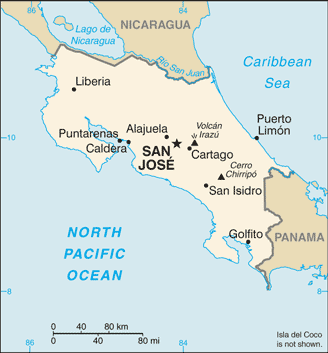
Regional map of Costa Rica

Geography

Location
Central America, bordering both the Caribbean Sea and the North Pacific Ocean, between Nicaragua and Panama
Area
51,100 sq km
Climate
tropical and subtropical; dry season (December to April); rainy season (May to November); cooler in highlands
Terrain
coastal plains separated by rugged mountains including over 100 volcanic cones, of which several are major active volcanoes
Natural resources
hydropower
Coastline
1,290 km
Natural hazards
occasional earthquakes, hurricanes along Atlantic coast; frequent flooding of lowlands at onset of rainy season and landslides; active volcanoes volcanism: Arenal (1,670 m) is the most active volcano in Costa Rica; a 1968 eruption destroyed the town of Tabacon; Irazu (3,432 m), situated just east of San Jose, has the potential to spew ash over the capital city, as it did between 1963 and 1965; other historically active volcanoes include Miravalles, Poas, Rincon de la Vieja, and Turrialba

People & society

Population
5,304,932 (2025 est.)
Nationality
Costa Rican(s)
Ethnic groups
White or Mestizo 83.6%, Mulatto 6.7%, Indigenous 2.4%, Black or African descent 1.1%, other 1.1%, none 2.9%, unspecified 2.2% (2011 est.)
Languages
Spanish (official), English
Religions
Roman Catholic 47.5%, Evangelical and Pentecostal 19.8%, Jehovah's Witness 1.4%, other Protestant 1.2%, other 3.1%, none 27% (2021 est.)
Median age
36 years (2025 est.)
Life expectancy at birth
80.3 years (2024 est.)
Literacy
94.1% (2018 est.)

Economy

Economic overview
trade-based upper middle-income economy; green economy leader, having reversed deforestation; investing in blue economy infrastructure; declining poverty until hard impacts of COVID-19; lingering inequality and growing government debts have prompted a liquidity crisis
Industries
medical equipment, food processing, textiles and clothing, construction materials, fertilizer, plastic products
Agricultural products
sugarcane, pineapples, bananas, oil palm fruit, milk, fruits, oranges, chicken, cassava, beef (2023)
Exports - partners
USA 40%, Netherlands 6%, China 5%, Guatemala 4%, Belgium 3% (2023)
Imports - partners
USA 38%, China 15%, Mexico 6%, Brazil 3%, Guatemala 3% (2023)

Government

Government type
presidential republic
Capital
San José
Independence
15 September 1821 (from Spain)
Constitution
many previous; latest effective 8 November 1949
Executive branch
President Rodrigo CHAVES Robles (since 8 May 2022)
Legislative branch
Legislative Assembly (Asamblea Legislativa)

Full reference data

Every field, by section — CIA World Factbook. Open a topic to expand it.

Introduction
Background
Although explored by the Spanish early in the 16th century, initial attempts at colonizing Costa Rica proved unsuccessful due to a combination of factors, including disease from mosquito-infested swamps, brutal heat, resistance from Indigenous populations, and pirate raids. It was not until 1563 that a permanent settlement of Cartago was established in the cooler, fertile central highlands. The area remained a colony for some two-and-a-half centuries. In 1821, Costa Rica was one of several Central American provinces that jointly declared independence from Spain. Two years later it joined the United Provinces of Central America, but this federation disintegrated in 1838, at which time Costa Rica proclaimed its sovereignty and independence. Since the late 19th century, only two brief periods of violence have marred the country's democratic development. General Federico TINOCO Granados led a coup in 1917, but the threat of US intervention pushed him to resign in 1919. In 1948, landowner Jose FIGUERES Ferrer raised his own army and rebelled against the government. The brief civil war ended with an agreement to allow FIGUERES to remain in power for 18 months, then step down in favor of the previously elected Otilio ULATE. FIGUERES was later elected twice in his own right, in 1953 and 1970. Costa Rica experienced destabilizing waves of refugees from Central American civil wars in the 1970s and 1980s, but peace in the region has since helped the economy rebound. Although it still maintains a large agricultural sector, Costa Rica has expanded its economy to include strong technology and tourism industries.
Travel Facts
US State Dept Travel Advisory
For the latest travel advisories for this country, please consult the U.S. State Department's website, available through the link below. https://travel.state.gov/content/travel/en/traveladvisories/traveladvisories.html
Passport/Visa Requirements
For the latest passport and visa requirements for this country, please consult the U.S. State Department’s “Learn About Your Destination” search tool, available through the link below. https://travel.state.gov/content/travel/en/international-travel/International-Travel-Country-Information-Pages.html
US Embassy/Consulate
[506] 2519-2000; US Embassy in San Jose, Calle 98 Vía 104, Pavas, San José, Costa Rica; https://cr.usembassy.gov/; acssanjose@state.gov
LGBTQIA+, Women, and Special Needs Travelers
Additional travel considerations can be found on the US State Department's International Travel page. https://travel.state.gov/content/travel/en/international-travel/before-you-go/travelers-with-special-considerations.html
Telephone Code
506
Local Emergency Phone
911
Vaccinations
For the latest information on required or recommended vaccines, please visit the CDC's website, available through the link below. https://wwwnc.cdc.gov/travel/destinations/list
Climate
Tropical and subtropical; dry season (December to April); rainy season (May to November); cooler in highlands
Currency (Code)
Costa Rican colones (CRC)
Electricity/Voltage/Plug Type(s)
120 V / 60 Hz / plug types(s): A, B
Major Languages
Spanish, English
Time Difference
UTC-6 (1 hour behind Washington, DC, during Standard Time)
Potable Water
Opt for bottled water
International Driving Permit
Suggested; additionally, if you plan to drive in Costa Rica, you will need an Inter-American Driving Permit issued by the AAA
Road Driving Side
Right
Souvenirs
Coffee, hammocks, ceramic and wood bowls, wooden macaw statues and other carved items, leather rocking chairs, handmade earrings and threaded necklaces
Traditional Cuisine
Gallo Pinto — kidney or black beans or pigeon peas and rice cooked together and mixed with Lizano sauce; often served as breakfast
CIA source last updated
Tuesday, December 10, 2024
Travel resources

Please visit the following links to find further information about your desired destination.

CDC - To learn what vaccines and health precautions to take while visiting your destination.

US State Dept Travel Information - Overall information about foreign travel for US citizens.

To obtain an international driving permit (IDP). Only two organizations in the US issue IDPs: American Automobile Association (AAA) and American Automobile Touring Alliance (AATA)

How to get help in an emergency? Contact the nearest US embassy or consulate, or call one of these numbers: from the US or Canada - 1-888-407-4747 or from Overseas - +1 202-501-4444

Page last updated: Tuesday, December 10, 2024

Geography
Location
Central America, bordering both the Caribbean Sea and the North Pacific Ocean, between Nicaragua and Panama
Geographic coordinates
10 00 N, 84 00 W
Map references
Central America and the Caribbean
Area - total
51,100 sq km
Area - land
51,060 sq km
Area - water
40 sq km
Area - note
note: includes Isla del Coco
Area - comparative
slightly smaller than West Virginia
Land boundaries - total
661 km
Land boundaries - border countries
Nicaragua 313 km; Panama 348 km
Coastline
1,290 km
Maritime claims - territorial sea
12 nm
Maritime claims - exclusive economic zone
200 nm
Maritime claims - continental shelf
200 nm
Climate
tropical and subtropical; dry season (December to April); rainy season (May to November); cooler in highlands
Terrain
coastal plains separated by rugged mountains including over 100 volcanic cones, of which several are major active volcanoes
Elevation - highest point
Cerro Chirripo 3,819 m
Elevation - lowest point
Pacific Ocean 0 m
Elevation - mean elevation
746 m
Natural resources
hydropower
Land use - agricultural land
33.1% (2023 est.)
Land use - agricultural land: arable land
arable land: 3.3% (2023 est.)
Land use - agricultural land: permanent crops
permanent crops: 7.4% (2023 est.)
Land use - agricultural land: permanent pasture
permanent pasture: 22.5% (2023 est.)
Land use - forest
58.4% (2023 est.)
Land use - other
8.4% (2023 est.)
Irrigated land
1,015 sq km (2012)
Population distribution
roughly half of the nation's population resides in urban areas; the capital of San Jose is the largest city and home to approximately one fifth of the population
Natural hazards
occasional earthquakes, hurricanes along Atlantic coast; frequent flooding of lowlands at onset of rainy season and landslides; active volcanoes volcanism: Arenal (1,670 m) is the most active volcano in Costa Rica; a 1968 eruption destroyed the town of Tabacon; Irazu (3,432 m), situated just east of San Jose, has the potential to spew ash over the capital city, as it did between 1963 and 1965; other historically active volcanoes include Miravalles, Poas, Rincon de la Vieja, and Turrialba
Geography - note
four volcanoes, two of them active, rise near the capital of San Jose in the center of the country; one of the volcanoes, Irazu, erupted destructively in 1963-65
People and Society
Population - total
5,304,932 (2025 est.)
Population - male
2,654,314
Population - female
2,650,618
Nationality - noun
Costa Rican(s)
Nationality - adjective
Costa Rican
Ethnic groups
White or Mestizo 83.6%, Mulatto 6.7%, Indigenous 2.4%, Black or African descent 1.1%, other 1.1%, none 2.9%, unspecified 2.2% (2011 est.)
Languages - Languages
Spanish (official), English
Languages - major-language sample(s)
La Libreta Informativa del Mundo, la fuente indispensable de información básica. (Spanish) The World Factbook, the indispensable source for basic information.
Religions
Roman Catholic 47.5%, Evangelical and Pentecostal 19.8%, Jehovah's Witness 1.4%, other Protestant 1.2%, other 3.1%, none 27% (2021 est.)
Age structure - 0-14 years
18.8% (male 506,041/female 482,481)
Age structure - 15-64 years
70.2% (male 1,862,872/female 1,832,024)
Age structure - 65 years and over
11.1% (2024 est.) (male 266,568/female 315,589)
Dependency ratios - total dependency ratio
42.7 (2025 est.)
Dependency ratios - youth dependency ratio
26.2 (2025 est.)
Dependency ratios - elderly dependency ratio
16.5 (2025 est.)
Dependency ratios - potential support ratio
6.1 (2025 est.)
Median age - total
36 years (2025 est.)
Median age - male
34.9 years
Median age - female
36.1 years
Population growth rate
0.75% (2025 est.)
Birth rate
10.86 births/1,000 population (2025 est.)
Death rate
5.24 deaths/1,000 population (2025 est.)
Net migration rate
1.89 migrant(s)/1,000 population (2025 est.)
Population distribution
roughly half of the nation's population resides in urban areas; the capital of San Jose is the largest city and home to approximately one fifth of the population
Urbanization - urban population
82.6% of total population (2023)
Urbanization - rate of urbanization
1.5% annual rate of change (2020-25 est.)
Major urban areas - population
1.462 million SAN JOSE (capital) (2023)
Sex ratio - at birth
1.05 male(s)/female
Sex ratio - 0-14 years
1.05 male(s)/female
Sex ratio - 15-64 years
1.02 male(s)/female
Sex ratio - 65 years and over
0.84 male(s)/female
Sex ratio - total population
1 male(s)/female (2024 est.)
Maternal mortality ratio
24 deaths/100,000 live births (2023 est.)
Infant mortality rate - total
6.3 deaths/1,000 live births (2025 est.)
Infant mortality rate - male
7 deaths/1,000 live births
Infant mortality rate - female
6.3 deaths/1,000 live births
Life expectancy at birth - total population
80.3 years (2024 est.)
Life expectancy at birth - male
77.7 years
Life expectancy at birth - female
82.9 years
Total fertility rate
1.45 children born/woman (2025 est.)
Gross reproduction rate
0.71 (2025 est.)
Drinking water source - improved: urban
urban: 99.8% of population (2022 est.)
Drinking water source - improved: rural
rural: 99.6% of population (2022 est.)
Drinking water source - improved: total
total: 99.8% of population (2022 est.)
Drinking water source - unimproved: urban
urban: 0.2% of population (2022 est.)
Drinking water source - unimproved: rural
rural: 0.4% of population (2022 est.)
Drinking water source - unimproved: total
total: 0.2% of population (2022 est.)
Health expenditure - Health expenditure (as % of GDP)
7.6% of GDP (2021)
Health expenditure - Health expenditure (as % of national budget)
25.8% of national budget (2022 est.)
Physician density
2.69 physicians/1,000 population (2022)
Hospital bed density
1.2 beds/1,000 population (2021 est.)
Sanitation facility access - improved: urban
urban: 99.2% of population (2022 est.)
Sanitation facility access - improved: rural
rural: 97.6% of population (2022 est.)
Sanitation facility access - improved: total
total: 98.9% of population (2022 est.)
Sanitation facility access - unimproved: urban
urban: 0.8% of population (2022 est.)
Sanitation facility access - unimproved: rural
rural: 2.4% of population (2022 est.)
Sanitation facility access - unimproved: total
total: 1.1% of population (2022 est.)
Obesity - adult prevalence rate
25.7% (2016)
Alcohol consumption per capita - total
3.07 liters of pure alcohol (2019 est.)
Alcohol consumption per capita - beer
2.17 liters of pure alcohol (2019 est.)
Alcohol consumption per capita - wine
0.15 liters of pure alcohol (2019 est.)
Alcohol consumption per capita - spirits
0.36 liters of pure alcohol (2019 est.)
Alcohol consumption per capita - other alcohols
0.39 liters of pure alcohol (2019 est.)
Tobacco use - total
8.1% (2025 est.)
Tobacco use - male
12.2% (2025 est.)
Tobacco use - female
4.1% (2025 est.)
Children under the age of 5 years underweight
2.9% (2018 est.)
Currently married women (ages 15-49)
41.7% (2022 est.)
Child marriage - women married by age 15
2% (2018)
Child marriage - women married by age 18
17.1% (2018)
Education expenditure - Education expenditure (% GDP)
6.2% of GDP (2021 est.)
Education expenditure - Education expenditure (% national budget)
31.2% national budget (2021 est.)
Literacy - female
94.1% (2018 est.)
School life expectancy (primary to tertiary education) - total
16 years (2019 est.)
School life expectancy (primary to tertiary education) - male
15 years (2019 est.)
School life expectancy (primary to tertiary education) - female
16 years (2019 est.)
Government
Country name - conventional long form
Republic of Costa Rica
Country name - conventional short form
Costa Rica
Country name - local long form
República de Costa Rica
Country name - local short form
Costa Rica
Country name - etymology
the name means "rich coast" in Spanish; Christopher COLUMBUS named it in 1502, referring to the region's abundant vegetation and water
Government type
presidential republic
Capital - name
San José
Capital - geographic coordinates
9 56 N, 84 05 W
Capital - time difference
UTC-6 (1 hour behind Washington, DC, during Standard Time)
Capital - etymology
Spanish settlers originally named the city Villa Nueva in 1736; it was later renamed for Saint Joseph
Administrative divisions
7 provinces ( provincias , singular - provincia ); Alajuela, Cartago, Guanacaste, Heredia, Limon, Puntarenas, San Jose
Legal system
civil law system based on Spanish civil code; Supreme Court reviews legislative acts
Constitution - history
many previous; latest effective 8 November 1949
Constitution - amendment process
proposals require the signatures of at least 10 Legislative Assembly members or petition of at least 5% of qualified voters; consideration of proposals requires two-thirds majority approval in each of three readings by the Assembly, followed by preparation of the proposal as a legislative bill and its approval by simple majority of the Assembly; passage requires at least two-thirds majority vote of the Assembly membership; a referendum is required only if approved by at least two thirds of the Assembly
International law organization participation
accepts compulsory ICJ jurisdiction; accepts ICCt jurisdiction
Citizenship - citizenship by birth
yes
Citizenship - citizenship by descent only
yes
Citizenship - dual citizenship recognized
yes
Citizenship - residency requirement for naturalization
7 years
Suffrage
18 years of age; universal and compulsory
Executive branch - chief of state
President Rodrigo CHAVES Robles (since 8 May 2022)
Executive branch - head of government
President Rodrigo CHAVES Robles (since 8 May 2022)
Executive branch - cabinet
Cabinet selected by the president
Executive branch - election/appointment process
president and vice presidents directly elected on the same ballot by modified majority popular vote (40% threshold) for a 4-year term (eligible for non-consecutive terms)
Executive branch - most recent election date
6 February 2022, with a runoff on 3 April 2022
Executive branch - election results
2022: Rodrigo CHAVES Robles elected president in second round; percent of vote in first round - Jose Maria FIGUERES Olsen (PLN) 27.3%, Rodrigo CHAVES Robles (PPSD) 16.8%, Fabricio ALVARADO Munoz (PNR) 14.9%, Eliecer FEINZAIG Mintz (PLP) 12.4%, Lineth SABORIO Chaverri (PUSC) 12.4%, Jose Maria VILLALTA Florez-Estrada 8.7% (PFA), other 7.5%; percent of vote in second round - Rodrigo CHAVES Robles (PPSD) 52.8%, Jose Maria FIGUERES Olsen (PLN) 47.2% 2018: Carlos ALVARADO Quesada elected president in second round; percent of vote in first round - Fabricio ALVARADO Munoz (PRN) 25%; Carlos ALVARADO Quesada (PAC) 21.6%; Antonio ALVAREZ (PLN) 18.6%; Rodolfo PIZA (PUSC) 16%; Juan Diego CASTRO (PIN) 9.5%; Rodolfo HERNANDEZ (PRSC) 4.9%, other 4.4%; percent of vote in second round - Carlos ALVARADO Quesada (PAC) 60.7%; Fabricio ALVARADO Munoz (PRN) 39.3%
Executive branch - expected date of next election
1 February 2026 (a runoff, if needed, will take place in April 2026)
Executive branch - note
note: the president is both chief of state and head of government
Legislative branch - legislature name
Legislative Assembly (Asamblea Legislativa)
Legislative branch - legislative structure
unicameral
Legislative branch - number of seats
57 (all directly elected)
Legislative branch - electoral system
proportional representation
Legislative branch - scope of elections
full renewal
Legislative branch - term in office
4 years
Legislative branch - most recent election date
2/6/2022
Legislative branch - parties elected and seats per party
National Liberation Party (PLN) (19); Democratic Social Progress Party (PPSD) (10); Christian Social Unity Party (USC) (9); New Republic Party (NR) (7); Broad Front (FA) (6); Progressive Liberal Party (LP) (6)
Legislative branch - percentage of women in chamber
49.1%
Legislative branch - expected date of next election
February 2026
Judicial branch - highest court(s)
Supreme Court of Justice (consists of 22 judges organized into 3 cassation chambers each with 5 judges and the Constitutional Chamber with 7 judges)
Judicial branch - judge selection and term of office
Supreme Court of Justice judges elected by the National Assembly for 8-year terms with renewal decided by the National Assembly
Judicial branch - subordinate courts
appellate courts; trial courts; first instance and justice of the peace courts; Superior Electoral Tribunal
Political parties
Accessibility Without Exclusion or PASE Broad Front (Frente Amplio) or PFA Citizen Action Party or PAC Costa Rican Renewal Party or PRC Here Costa Rica Commands Party or ACRM Liberal Progressive Party or PLP Libertarian Movement Party or ML National Integration Party or PIN National Liberation Party or PLN National Restoration Party or PRN New Generation or PNG New Republic Party or PNR Social Christian Republican Party or PRSC Social Christian Unity Party or PUSC of UNIDAD Social Democratic Progress Party or PPSD
Diplomatic representation in the US - chief of mission
Ambassador Catalina CRESPO SANCHO (since 19 April 2023)
Diplomatic representation in the US - chancery
2114 S Street NW, Washington, DC 20008
Diplomatic representation in the US - telephone
[1] (202) 499-2980
Diplomatic representation in the US - FAX
[1] (202) 265-4795
Diplomatic representation in the US - email address and website
Diplomatic representation in the US - consulate(s) general
Atlanta, Houston, Los Angeles, Miami, New York, Washington DC
Diplomatic representation from the US - chief of mission
Ambassador-designate Melinda HILDEBRAND (since 3 December 2025); Chargé d’Affaires Jennifer SAVAGE (since August 2025)
Diplomatic representation from the US - embassy
Calle 98 Via 104, Pavas, San Jose
Diplomatic representation from the US - mailing address
3180 St. George's Place, Washington DC 20521-3180
Diplomatic representation from the US - telephone
[506] 2519-2000
Diplomatic representation from the US - FAX
[506] 2519-2305
Diplomatic representation from the US - email address and website
International organization participation
ACS, BCIE, CACM, CD, CELAC, FAO, G-77, IADB, IAEA, IBRD, ICAO, ICC (national committees), ICCt, ICRM, IDA, IFAD, IFC, IFRCS, ILO, IMF, IMO, IMSO, Interpol, IOC, IOM, IPU, ISO, ITSO, ITU, ITUC (NGOs), LAES, LAIA (observer), MIGA, NAM (observer), OAS, OIF (observer), OPANAL, OPCW, Pacific Alliance (observer), PCA, SICA, UN, UNCTAD, UNESCO, UNHCR, UNIDO, Union Latina, UNOOSA, UNWTO, UPU, WCO, WFTU (NGOs), WHO, WIPO, WMO, WTO
Independence
15 September 1821 (from Spain)
National holiday
Independence Day, 15 September (1821)
Flag
description: five horizontal bands of blue (top), white, red (double-width), white, and blue, with the coat of arms in a white elliptical disk placed toward the left side of the red band meaning: the blue is said to stand for the sky, opportunity, and perseverance; the white for peace, happiness, and wisdom; and the red for the blood shed for freedom, as well as Costa Ricans' generosity and vibrancy history: Costa Rica retained the earlier blue-white-blue flag of Central America until 1848 when, in response to revolutions in Europe, it was decided to incorporate the French colors by adding a central red stripe
Flag - note
note: somewhat resembles the flag of North Korea; similar to the flag of Thailand, but with the blue and red colors reversed
National symbol(s)
yiguirro (clay-colored thrush)
National color(s)
blue, white, red
National coat of arms
the Costa Rican coat of arms highlights the country’s natural beauty and history; three volcanoes, each topped with a white cloud, are surrounded with water, symbolizing the seaports of the Pacific and Atlantic Oceans; the rising sun in the background stands for the birth of a new nation, and the seven white stars for the country's provinces; the two merchant ships carrying Costa Rica’s flag are a reminder of the maritime trade that shaped the country's history
National anthem(s) - title
"Himno Nacional de Costa Rica" (National Anthem of Costa Rica)
National anthem(s) - lyrics/music
Jose Maria ZELEDON Brenes/Manuel Maria GUTIERREZ
National anthem(s) - history
adopted 1949; the music was originally written for a welcome ceremony in 1852 for the US and UK diplomatic missions; the lyrics were added in 1900
National heritage - total World Heritage Sites
4 (1 cultural, 3 natural)
National heritage - selected World Heritage Site locales
Guanacaste Conservation Area (n); Cocos Island National Park (n); Precolumbian Stone Spheres (c); La Amistad International Park (n)
Economy
Economic overview
trade-based upper middle-income economy; green economy leader, having reversed deforestation; investing in blue economy infrastructure; declining poverty until hard impacts of COVID-19; lingering inequality and growing government debts have prompted a liquidity crisis
Real GDP (purchasing power parity) - Real GDP (purchasing power parity) 2024
$138.371 billion (2024 est.)
Real GDP (purchasing power parity) - Real GDP (purchasing power parity) 2023
$132.64 billion (2023 est.)
Real GDP (purchasing power parity) - Real GDP (purchasing power parity) 2022
$126.189 billion (2022 est.)
Real GDP (purchasing power parity) - note
note: data in 2021 dollars
Real GDP growth rate - Real GDP growth rate 2024
4.3% (2024 est.)
Real GDP growth rate - Real GDP growth rate 2023
5.1% (2023 est.)
Real GDP growth rate - Real GDP growth rate 2022
4.6% (2022 est.)
Real GDP growth rate - note
note: annual GDP % growth based on constant local currency
Real GDP per capita - Real GDP per capita 2024
$27,000 (2024 est.)
Real GDP per capita - Real GDP per capita 2023
$26,000 (2023 est.)
Real GDP per capita - Real GDP per capita 2022
$24,800 (2022 est.)
Real GDP per capita - note
note: data in 2021 dollars
GDP (official exchange rate)
$95.35 billion (2024 est.)
GDP (official exchange rate) - note
note: data in current dollars at official exchange rate
Inflation rate (consumer prices) - Inflation rate (consumer prices) 2024
-0.4% (2024 est.)
Inflation rate (consumer prices) - Inflation rate (consumer prices) 2023
0.5% (2023 est.)
Inflation rate (consumer prices) - Inflation rate (consumer prices) 2022
8.3% (2022 est.)
Inflation rate (consumer prices) - note
note: annual % change based on consumer prices
GDP - composition, by sector of origin - agriculture
3.6% (2024 est.)
GDP - composition, by sector of origin - industry
19.7% (2024 est.)
GDP - composition, by sector of origin - services
68.8% (2024 est.)
GDP - composition, by sector of origin - note
note: figures may not total 100% due to non-allocated consumption not captured in sector-reported data
GDP - composition, by end use - household consumption
63.9% (2024 est.)
GDP - composition, by end use - government consumption
14.7% (2024 est.)
GDP - composition, by end use - investment in fixed capital
15.8% (2024 est.)
GDP - composition, by end use - investment in inventories
-0.1% (2024 est.)
GDP - composition, by end use - exports of goods and services
38.5% (2024 est.)
GDP - composition, by end use - imports of goods and services
-32.8% (2024 est.)
GDP - composition, by end use - note
note: figures may not total 100% due to rounding or gaps in data collection
Agricultural products
sugarcane, pineapples, bananas, oil palm fruit, milk, fruits, oranges, chicken, cassava, beef (2023)
Agricultural products - note
note: top ten agricultural products based on tonnage
Industries
medical equipment, food processing, textiles and clothing, construction materials, fertilizer, plastic products
Industrial production growth rate
4.1% (2024 est.)
Industrial production growth rate - note
note: annual % change in industrial value added based on constant local currency
Labor force
2.357 million (2024 est.)
Labor force - note
note: number of people ages 15 or older who are employed or seeking work
Unemployment rate - Unemployment rate 2024
7.9% (2024 est.)
Unemployment rate - Unemployment rate 2023
8.4% (2023 est.)
Unemployment rate - Unemployment rate 2022
11.4% (2022 est.)
Unemployment rate - note
note: % of labor force seeking employment
Youth unemployment rate (ages 15-24) - total
23% (2024 est.)
Youth unemployment rate (ages 15-24) - male
20.7% (2024 est.)
Youth unemployment rate (ages 15-24) - female
26.2% (2024 est.)
Youth unemployment rate (ages 15-24) - note
note: % of labor force ages 15-24 seeking employment
Population below poverty line
24.4% (2023 est.)
Population below poverty line - note
note: % of population with income below national poverty line
Gini Index coefficient - distribution of family income - Gini Index coefficient - distribution of family income 2024
45.8 (2024 est.)
Gini Index coefficient - distribution of family income - note
note: index (0-100) of income distribution; higher values represent greater inequality
Average household expenditures - on food
21.3% of household expenditures (2023 est.)
Average household expenditures - on alcohol and tobacco
1.7% of household expenditures (2023 est.)
Household income or consumption by percentage share - lowest 10%
1.7% (2024 est.)
Household income or consumption by percentage share - highest 10%
34.2% (2024 est.)
Household income or consumption by percentage share - note
note: % share of income accruing to lowest and highest 10% of population
Remittances - Remittances 2024
0.8% of GDP (2024 est.)
Remittances - Remittances 2023
0.8% of GDP (2023 est.)
Remittances - Remittances 2022
0.9% of GDP (2022 est.)
Remittances - note
note: personal transfers and compensation between resident and non-resident individuals/households/entities
Budget - revenues
$26.333 billion (2023 est.)
Budget - expenditures
$25.953 billion (2023 est.)
Budget - note
note: central government revenues (excluding grants) and expenditures converted to US dollars at average official exchange rate for year indicated
Public debt - Public debt 2017
48.9% of GDP (2017 est.)
Taxes and other revenues
13.9% (of GDP) (2023 est.)
Taxes and other revenues - note
note: central government tax revenue as a % of GDP
Current account balance - Current account balance 2024
-$1.291 billion (2024 est.)
Current account balance - Current account balance 2023
-$1.239 billion (2023 est.)
Current account balance - Current account balance 2022
-$2.272 billion (2022 est.)
Current account balance - note
note: balance of payments - net trade and primary/secondary income in current dollars
Exports - Exports 2024
$36.77 billion (2024 est.)
Exports - Exports 2023
$33.683 billion (2023 est.)
Exports - Exports 2022
$29.392 billion (2022 est.)
Exports - note
note: balance of payments - exports of goods and services in current dollars
Exports - partners
USA 40%, Netherlands 6%, China 5%, Guatemala 4%, Belgium 3% (2023)
Exports - partners - note
note: top five export partners based on percentage share of exports
Exports - commodities
medical instruments, integrated circuits, orthopedic appliances, bananas, tropical fruits (2023)
Exports - commodities - note
note: top five export commodities based on value in dollars
Imports - Imports 2024
$30.459 billion (2024 est.)
Imports - Imports 2023
$28.413 billion (2023 est.)
Imports - Imports 2022
$27.095 billion (2022 est.)
Imports - note
note: balance of payments - imports of goods and services in current dollars
Imports - partners
USA 38%, China 15%, Mexico 6%, Brazil 3%, Guatemala 3% (2023)
Imports - partners - note
note: top five import partners based on percentage share of imports
Imports - commodities
refined petroleum, plastic products, cars, medical instruments, broadcasting equipment (2023)
Imports - commodities - note
note: top five import commodities based on value in dollars
Reserves of foreign exchange and gold - Reserves of foreign exchange and gold 2024
$14.177 billion (2024 est.)
Reserves of foreign exchange and gold - Reserves of foreign exchange and gold 2023
$13.225 billion (2023 est.)
Reserves of foreign exchange and gold - Reserves of foreign exchange and gold 2022
$8.554 billion (2022 est.)
Reserves of foreign exchange and gold - note
note: holdings of gold (year-end prices)/foreign exchange/special drawing rights in current dollars
Debt - external - Debt - external 2023
$15.574 billion (2023 est.)
Debt - external - note
note: present value of external debt in current US dollars
Exchange rates - Currency
Costa Rican colones (CRC) per US dollar -
Exchange rates - Exchange rates 2024
515.11 (2024 est.)
Exchange rates - Exchange rates 2023
544.051 (2023 est.)
Exchange rates - Exchange rates 2022
647.136 (2022 est.)
Exchange rates - Exchange rates 2021
620.785 (2021 est.)
Exchange rates - Exchange rates 2020
584.901 (2020 est.)
Energy
Electricity access - electrification - total population
100% (2022 est.)
Electricity - installed generating capacity
3.751 million kW (2023 est.)
Electricity - consumption
9.957 billion kWh (2023 est.)
Electricity - exports
774 million kWh (2023 est.)
Electricity - imports
54 million kWh (2023 est.)
Electricity - transmission/distribution losses
1.039 billion kWh (2023 est.)
Electricity generation sources - fossil fuels
0.1% of total installed capacity (2023 est.)
Electricity generation sources - solar
0.7% of total installed capacity (2023 est.)
Electricity generation sources - wind
12.7% of total installed capacity (2023 est.)
Electricity generation sources - hydroelectricity
72.9% of total installed capacity (2023 est.)
Electricity generation sources - geothermal
13.1% of total installed capacity (2023 est.)
Electricity generation sources - biomass and waste
0.5% of total installed capacity (2023 est.)
Coal - consumption
23,000 metric tons (2023 est.)
Coal - imports
24,000 metric tons (2023 est.)
Petroleum - total petroleum production
400 bbl/day (2023 est.)
Petroleum - refined petroleum consumption
60,000 bbl/day (2023 est.)
Energy consumption per capita - Total energy consumption per capita 2023
30.725 million Btu/person (2023 est.)
Communications
Telephones - fixed lines - total subscriptions
610,000 (2024 est.)
Telephones - fixed lines - subscriptions per 100 inhabitants
12 (2024 est.)
Telephones - mobile cellular - total subscriptions
6.98 million (2024 est.)
Telephones - mobile cellular - subscriptions per 100 inhabitants
136 (2024 est.)
Broadcast media
over two dozen privately owned TV stations and 1 publicly owned TV station; cable network services are widely available; more than 100 privately owned radio stations and a public radio network (2022)
Internet country code
.cr
Internet users - percent of population
85% (2023 est.)
Broadband - fixed subscriptions - total
1.15 million (2023 est.)
Broadband - fixed subscriptions - subscriptions per 100 inhabitants
23 (2023 est.)
Transportation
Civil aircraft registration country code prefix
TI
Airports
132 (2025)
Heliports
8 (2025)
Railways - total
278 km (2014)
Railways - narrow gauge
278 km (2014) 1.067-m gauge
Railways - note
note: the entire rail network fell into disrepair and out of use at the end of the 20th century; since 2005, certain sections of rail have been rehabilitated
Merchant marine - total
11 (2023)
Merchant marine - by type
other 11
Ports - total ports
6 (2024)
Ports - large
0
Ports - medium
0
Ports - small
1
Ports - very small
5
Ports - ports with oil terminals
4
Ports - key ports
Golfito, Puerto Caldera, Puerto Limon, Puerto Moin, Puerto Quepos, Puntarenas
Military and Security
Military and security forces
Ministry of Public Security (Ministerio de Seguridad Pública de Costa Rica): National Police (Fuerza Pública), Air Surveillance Service (Servicio de Vigilancia Aérea), National Coast Guard Service (Servicio Nacional de Guardacostas), Drug Control Police (Policía Control de Drogas), Border Police (Policia de Fronteras), Professional Migration Police (Policía Profesional de Migración) Ministry of Presidency: Directorate of Intelligence and Security (DIS), Special Intervention Unit (UEI) (2025)
Military and security forces - note
note: Costa Rica's armed forces were constitutionally abolished in 1949
Military expenditures - Military Expenditures 2024
0.6% of GDP (2024 est.)
Military expenditures - Military Expenditures 2023
0.6% of GDP (2023 est.)
Military expenditures - Military Expenditures 2022
0.6% of GDP (2022 est.)
Military expenditures - Military Expenditures 2021
0.7% of GDP (2021 est.)
Military expenditures - Military Expenditures 2020
0.7% of GDP (2020 est.)
Military and security service personnel strengths
approximately 10-15,000 Ministry of Public Security personnel (2025)
Military equipment inventories and acquisitions
the National Police are lightly armed although small special units are trained and equipped for tactical operations; the US has provided equipment and support to forces such as the Coast Guard, including secondhand US vessels and aircraft (2025)
Military - note
Costa Rica relies on specialized paramilitary units within the Ministry of Public Security (MPS) for internal security missions and countering transnational threats such as narcotics smuggling and organized crime, as well as for participating in regional security operations and exercises; MPS forces have received advisory and training support from the US (2025)
Transnational Issues
Refugees and internally displaced persons - refugees
249,521 (2024 est.)
Refugees and internally displaced persons - IDPs
58 (2024 est.)
Refugees and internally displaced persons - stateless persons
345 (2024 est.)
Illicit drugs - USG identification
major illicit drug-producing and/or drug-transit country major precursor-chemical producer (2025)
Environment
Environmental issues
deforestation, largely from clearing land for cattle ranching and agriculture; soil erosion; coastal marine pollution; fisheries protection; solid waste management; air pollution
International environmental agreements - party to
Biodiversity, Climate Change, Climate Change-Kyoto Protocol, Climate Change-Paris Agreement, Comprehensive Nuclear Test Ban, Desertification, Endangered Species, Environmental Modification, Hazardous Wastes, Law of the Sea, Marine Dumping-London Convention, Nuclear Test Ban, Ozone Layer Protection, Tropical Timber 2006, Wetlands, Whaling
International environmental agreements - signed, but not ratified
Marine Life Conservation
Climate
tropical and subtropical; dry season (December to April); rainy season (May to November); cooler in highlands
Land use - agricultural land
33.1% (2023 est.)
Land use - agricultural land: arable land
arable land: 3.3% (2023 est.)
Land use - agricultural land: permanent crops
permanent crops: 7.4% (2023 est.)
Land use - agricultural land: permanent pasture
permanent pasture: 22.5% (2023 est.)
Land use - forest
58.4% (2023 est.)
Land use - other
8.4% (2023 est.)
Urbanization - urban population
82.6% of total population (2023)
Urbanization - rate of urbanization
1.5% annual rate of change (2020-25 est.)
Carbon dioxide emissions - total emissions
7.91 million metric tonnes of CO2 (2023 est.)
Carbon dioxide emissions - from coal and metallurgical coke
58,000 metric tonnes of CO2 (2023 est.)
Carbon dioxide emissions - from petroleum and other liquids
7.852 million metric tonnes of CO2 (2023 est.)
Particulate matter emissions
15.1 micrograms per cubic meter (2019 est.)
Waste and recycling - municipal solid waste generated annually
1.46 million tons (2024 est.)
Waste and recycling - percent of municipal solid waste recycled
5.4% (2022 est.)
Total water withdrawal - municipal
1.109 billion cubic meters (2022 est.)
Total water withdrawal - industrial
245.34 million cubic meters (2022 est.)
Total water withdrawal - agricultural
2.093 billion cubic meters (2022 est.)
Total renewable water resources
113 billion cubic meters (2022 est.)
Space
Space agency/agencies
Costa Rican Space Agency (ACE; established by legislation in 2021) (2025)
Space agency/agencies - note
note: ACE is a non-state, public entity subject to guidelines issued by the Ministry of Science, Technology, and Telecommunications of Costa Rica
Space program overview
has a small, recently established program focused on using space to develop the country’s economy and industry, including acquiring and using satellites; has built a remote sensing (RS) cube satellite; has relations with US space agencies and commercial space industries, as well as with the ESA and the Latin American and Caribbean Space Agency (2025)
Key space-program milestones
2018 - first domestically produced remote sensing cube satellite (Irazú) for monitoring tropical forests and climate change launched by US and deployed from the International Space Station 2021 - signed protocols for newly established Latin American and Caribbean Space Agency; opened US commercial company’s space radar facility for mapping and space situational awareness 2022 - domestically produced scientific device (Proyecto Musa or Musa Project) launched on European rocket 2024 - participated in first China-Latin America and the Caribbean Space Cooperation Forum